Overview
The land that is now called Wisconsin has a place in weather history. Its climate has ranged from tropical to polar over hundreds of millions of years and even today, that s the seeming difference between July and January here. And Wisconsinites have played key roles in advancing the science of meterology and climatology: Increase Lapham helped found the National Weather Service in the nineteenth century; Eric Miller was the first to broadcast regular weather reports on the radio in the 1920s; Verner Suomi pioneered tracking weather by satellite; and Reid Bryson has been a leader in studying global climate change. Wisconsin's Weather and Climate is written for weather buffs, teachers, students, outdoor enthusiasts, and those working in fields, lakes, and forests for whom the weather is a daily force to be reckoned with. It examines the physical features of Wisconsin that shape the state s climate topography, mid-latitude location, and proximity to Lakes Superior and Michigan and meteorological phenomena that affect climate, such as atmospheric circulation and air mass frequency. Authors Joseph M. Moran and Edward J. Hopkins trace the evolution of methods of weather observation and forecasting that are so important for agriculture and Great Lakes commerce, and they explain how Wisconsin scientists use weather balloons, radar, and satellites to improve forecasting and track climate changes. They take readers through the seasonal changes in weather in Wisconsin and give an overview of what past climate changes might tell us about the future. Appendices provide climatic data for Wisconsin, including extremes of temperature, snowfall, and precipitation at selected stations in the state. The authors also list sources for further information. Vignettes throughout the book provide fascinating weather lore: o Why there are cacti in Wisconsin o The famous Green Bay Packers Dallas Cowboys ""Ice Bowl"" game of 1967 o The Army Signal Corps ban on the word tornado o Advances in snow-making technology o The decline of the Great Lakes ice industry ""
Full Product Details
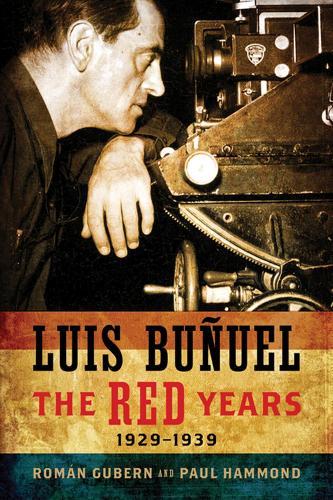
Author: Roman Gubern ,
Paul Hammond ,
Romn Gubern
Publisher: University of Wisconsin Press
Imprint: University of Wisconsin Press
Dimensions:
Width: 15.20cm
, Height: 3.00cm
, Length: 22.60cm
Weight: 0.595kg
ISBN: 9780299284749
ISBN 10: 0299284743
Pages: 472
Publication Date: 30 December 2011
Audience:
General/trade
,
General
Format: Paperback
Publisher's Status: Active
Availability: Manufactured on demand

We will order this item for you from a manufactured on demand supplier.
Reviews
Gubern and Hammond's book is of course about Bunuel . . . but it is also about other aspects of those years: social fears and social change, the Surrealist movement, the paradigm shift that the advent of 'talkies' would bring to cinema, Republican propaganda during the Spanish Civil War, the diverging paths that Spain's early film production companies (Filmofono and Cifesa) would take, and, ultimately, about the choices that artists like Bunuel faced in the 1930s. --Journal of Modern History The period in Luis Bunuel's career between 1930 (L'Age d'or) and 1938, when he left Europe and went into exile, is the one we know the least about. From Gubern (an expert in Spanish cinema) and Hammond (an expert on Surrealism), we learn a great deal we didn't know about his filmmaking, and about how it was intertwined with his politics. --Bill Krohn, author of Luis Bunuel: Chimera Notable for original research, careful scholarship and new light [it] throw[s]. . . . Absorbing reading for anyone interested in the life and times of Luis Bunuel. --Cineaste Gubern and Hammond excel at balancing Bunuel's self-interested accounts with those of others. . . . This beautifully produced volume represents a major contribution to a Bunuel scholarship. Summing Up: Highly recommended. --CHOICE Cinema, propaganda, art, society, government, politics, and personality make up the heady brew that Gubern and Hammond deftly analyze in this essential study of Bunuel during the years leading up to and including the Spanish civil war. . . . A picture emerges that illuminates our understanding of Bunuel's communist politics, his efforts in support of Republican Spain, and the filmmaker himself. --Library Journal An indispensable book for the Bunuel scholar and important to those interested in the history of Spanish film, the in-workings of the Surrealist movement, and the European left-wing political scene from the late twenties through the Spanish Civil War. --Julie Jones, University of New Orleans
Gubern and Hammond s book is of course about Bunuel . . . but it is also about other aspects of those years: social fears and social change, the Surrealist movement, the paradigm shift that the advent of talkies would bring to cinema, Republican propaganda during the Spanish Civil War, the diverging paths that Spain s early film production companies (Filmofono and Cifesa) would take, and, ultimately, about the choices that artists like Bunuel faced in the 1930s. Journal of Modern History Notable for original research, careful scholarship and new light [it] throw[s]. . . . Absorbing reading for anyone interested in the life and times of Luis Bunuel. Cineaste Cinema, propaganda, art, society, government, politics, and personality make up the heady brew that Gubern and Hammond deftly analyze in this essential study of Bunuel during the years leading up to and including the Spanish civil war. . . . A picture emerges that illuminates our understanding of Bunuel s communist politics, his efforts in support of Republican Spain, and the filmmaker himself. Library Journal An indispensable book for the Bunuel scholar and important to those interested in the history of Spanish film, the in-workings of the Surrealist movement, and the European left-wing political scene from the late twenties through the Spanish Civil War. Julie Jones, University of New Orleans Gubern and Hammond excel at balancing Bunuel s self-interested accounts with those of others. . . . This beautifully produced volume represents a major contribution to a Bunuel scholarship. Summing Up: Highly recommended. CHOICE The period in Luis Bunuel s career between 1930 (L Age d or) and 1938, when he left Europe and went into exile, is the one we know the least about. From Gubern (an expert in Spanish cinema) and Hammond (an expert on Surrealism), we learn a great deal we didn t know about his filmmaking, and about how it was intertwined with his politics. Bill Krohn, author of Luis Bunuel: Chimera Cinema, propaganda, art, society, government, politics, and personality make up the heady brew that Gubern and Hammond deftly analyze in this essential study of Bunuel during the years leading up to and including the Spanish civil war. . . . A picture emerges that illuminates our understanding of Bunuel s communist politics, his efforts in support of Republican Spain, and the filmmaker himself. Library Journal Gubern and Hammond excel at balancing Bunuel s self-interested accounts with those of others. . . . This beautifully produced volume represents a major contribution to a Bunuel scholarship. Summing Up: Highly recommended. CHOICE Notable for original research, careful scholarship and new light [it] throw[s]. . . . Absorbing reading for anyone interested in the life and times of Luis Bunuel. Cineaste The period in Luis Bunuel s career between 1930 ( L Age d or ) and 1938, when he left Europe and went into exile, is the one we know the least about. From Gubern (an expert in Spanish cinema) and Hammond (an expert on Surrealism), we learn a great deal we didn t know about his filmmaking, and about how it was intertwined with his politics. Bill Krohn, author of Luis Bunuel: Chimera An indispensable book for the Bunuel scholar and important to those interested in the history of Spanish film, the in-workings of the Surrealist movement, and the European left-wing political scene from the late twenties through the Spanish Civil War. Julie Jones, University of New Orleans Notable for original research, careful scholarship and new light [it] throw[s]. . . . Absorbing reading for anyone interested in the life and times of Luis Bunuel. -- Cineaste Gubern and Hammond excel at balancing Bunuel's self-interested accounts with those of others. . . . This beautifully produced volume represents a major contribution to a Bunuel scholarship. Summing Up: Highly recommended. -- CHOICE An indispensable book for the Bunuel scholar and important to those interested in the history of Spanish film, the in-workings of the Surrealist movement, and the European left-wing political scene from the late twenties through the Spanish Civil War. --Julie Jones, University of New Orleans The period in Luis Bunuel's career between 1930 ( L'age d'or ) and 1938, when he left Europe and went into exile, is the one we know the least about. From Gubern (an expert in Spanish cinema) and Hammond (an expert on Surrealism), we learn a great deal we didn't know about his filmmaking, and about how it was intertwined with his politics. --Bill Krohn, author of Luis Bunuel: Chimera
Gubern and Hammond s book is of course about Bunuel . . . but it is also about other aspects of those years: social fears and social change, the Surrealist movement, the paradigm shift that the advent of talkies would bring to cinema, Republican propaganda during the Spanish Civil War, the diverging paths that Spain s early film production companies (Filmofono and Cifesa) would take, and, ultimately, about the choices that artists like Bunuel faced in the 1930s. Journal of Modern History Gubern and Hammond excel at balancing Bunuel s self-interested accounts with those of others. . . . This beautifully produced volume represents a major contribution to a Bunuel scholarship. Summing Up: Highly recommended. CHOICE Notable for original research, careful scholarship and new light [it] throw[s]. . . . Absorbing reading for anyone interested in the life and times of Luis Bunuel. Cineaste Cinema, propaganda, art, society, government, politics, and personality make up the heady brew that Gubern and Hammond deftly analyze in this essential study of Bunuel during the years leading up to and including the Spanish civil war. . . . A picture emerges that illuminates our understanding of Bunuel s communist politics, his efforts in support of Republican Spain, and the filmmaker himself. Library Journal The period in Luis Bunuel s career between 1930 (L Age d or) and 1938, when he left Europe and went into exile, is the one we know the least about. From Gubern (an expert in Spanish cinema) and Hammond (an expert on Surrealism), we learn a great deal we didn t know about his filmmaking, and about how it was intertwined with his politics. Bill Krohn, author of Luis Bunuel: Chimera An indispensable book for the Bunuel scholar and important to those interested in the history of Spanish film, the in-workings of the Surrealist movement, and the European left-wing political scene from the late twenties through the Spanish Civil War. Julie Jones, University of New Orleans Cinema, propaganda, art, society, government, politics, and personality make up the heady brew that Gubern and Hammond deftly analyze in this essential study of Bunuel during the years leading up to and including the Spanish civil war. . . . A picture emerges that illuminates our understanding of Bunuel s communist politics, his efforts in support of Republican Spain, and the filmmaker himself. Library Journal Gubern and Hammond excel at balancing Bunuel s self-interested accounts with those of others. . . . This beautifully produced volume represents a major contribution to a Bunuel scholarship. Summing Up: Highly recommended. CHOICE Notable for original research, careful scholarship and new light [it] throw[s]. . . . Absorbing reading for anyone interested in the life and times of Luis Bunuel. Cineaste The period in Luis Bunuel s career between 1930 ( L Age d or ) and 1938, when he left Europe and went into exile, is the one we know the least about. From Gubern (an expert in Spanish cinema) and Hammond (an expert on Surrealism), we learn a great deal we didn t know about his filmmaking, and about how it was intertwined with his politics. Bill Krohn, author of Luis Bunuel: Chimera An indispensable book for the Bunuel scholar and important to those interested in the history of Spanish film, the in-workings of the Surrealist movement, and the European left-wing political scene from the late twenties through the Spanish Civil War. Julie Jones, University of New Orleans Notable for original research, careful scholarship and new light [it] throw[s]. . . . Absorbing reading for anyone interested in the life and times of Luis Bunuel. -- Cineaste Gubern and Hammond excel at balancing Bunuel's self-interested accounts with those of others. . . . This beautifully produced volume represents a major contribution to a Bunuel scholarship. Summing Up: Highly recommended. -- CHOICE An indispensable book for the Bunuel scholar and important to those interested in the history of Spanish film, the in-workings of the Surrealist movement, and the European left-wing political scene from the late twenties through the Spanish Civil War. --Julie Jones, University of New Orleans The period in Luis Bunuel's career between 1930 ( L'age d'or ) and 1938, when he left Europe and went into exile, is the one we know the least about. From Gubern (an expert in Spanish cinema) and Hammond (an expert on Surrealism), we learn a great deal we didn't know about his filmmaking, and about how it was intertwined with his politics. --Bill Krohn, author of Luis Bunuel: Chimera
<p> An indispensable book for the Bunuel scholar and important to those interested in the history of Spanish film, the in-workings of the Surrealist movement, and the European left-wing political scene from the late twenties through the Spanish Civil War. --Julie Jones, University of New Orleans
<p> Notable for original research, careful scholarship and new light [it] throw[s]. . . . Absorbing reading for anyone interested in the life and times of Luis Bunuel. -- Cineaste
Author Information
Román Gubern is professor at the Universitat Autónoma de Barcelona and has been a guest researcher at MIT. He is author of numerous screenplays for film and television and of more than forty books on cinema, popular culture, and semiotics, including 1936–1939: La Guerra de España en la pantalla. Paul Hammond is author and editor of several books, including The Shadow and Its Shadow: Surrealist Writings on the Cinema. Among his many translations is A Panorama of American Film Noir by Borde and Chaumeton. Both authors live in Barcelona.