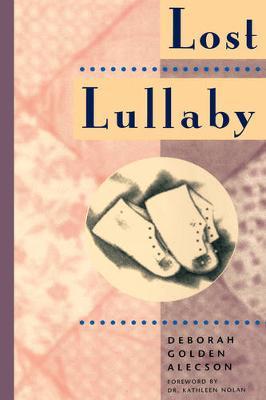
Full Product Details
Author: Deborah Golden Alecson ,
Kathleen Nolan
Publisher: University of California Press
Imprint: University of California Press
Dimensions:
Width: 15.20cm
, Height: 2.10cm
, Length: 22.90cm
Weight: 0.467kg
ISBN: 9780520088702
ISBN 10: 0520088700
Pages: 207
Publication Date: 31 March 1995
Audience:
General/trade
,
General
Format: Hardback
Publisher's Status: Active
Availability: Out of print, replaced by POD

We will order this item for you from a manufatured on demand supplier.
Reviews
"""Refreshingly honest. . . . This poignant book is certainly thought-provoking. A worthwhile addition to any medical ethics collection.""--""Library Journal"
A mother's emotion-laden account of how tough it is to have a brain-damaged infant who won't die. In May 1989, after a normal pregnancy but a difficult labor and emergency Caesarian section, the author gave birth in a New York City hospital to a daughter whose brain had been damaged by oxygen deprivation. Initially, Alecson, a poet and introspective journal keeper, and her husband, Lowell, had hopes that the damage to Andrea was minor and temporary, but they soon learned otherwise. Once they understood that her comatose condition was irreversible, they asked her doctors (given pseudonyms here) to withhold nutrition and thus end her life. The ethics committee at the hospital (its members are not identified) refused. Alecson stopped visiting Andrea and began thinking of ways to end the infant's life. As she wrote in a poem to Andrea, Now all I want is your corporeal death. After two months in the neonatal intensive care unit, Andrea did die. As Alecson puts it, this event freed her parents to get on with their lives. The child's survival, she says, would have destroyed her. There are brief sections in which she explores the right-to-die literature, the effect of Baby Doe regulations on hospitals and doctors, and the limitations on the rights of parents to make decisions about the future of their handicapped infants, but the core of this story is Alecson's own suffering. The sympathy that one would expect to feel for a mother in such a situation is reduced by Alecson's intense focus on getting in touch with her feelings - frustration, anger, self-pity. Her myriad accounts of emotional crises and breakdowns become wearisome, arousing sympathy instead for her beleaguered husband with his double burden of care. The Me generation faces life and death. (Kirkus Reviews)
Refreshingly honest. . . . This poignant book is certainly thought-provoking. A worthwhile addition to any medical ethics collection. -- Library Journal
Author Information
Deborah Golden Alecson is a freelance writer and poet who lives with her husband and son in Hartsdale, New York.