Overview
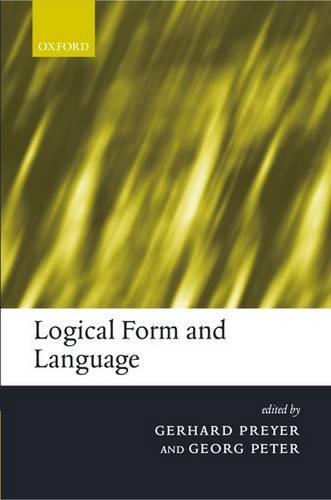
One of the central issues of analytic philosophy and especially the theory of language is the concept of logical form. As typically understood this concept covers investigations into universal logical features underlying languages. However, from Frege and Russell onwards logical form analysts were no longer confined to such narrow linguistic perspectives. For them, investigating the logical form of language took the wider philosophical perspective of trying to understand language as our principal means for representing the world. From Russell's theory of definite descriptions to Davidson's truth-theoretical analyses of adverbial modification, citation, and reported speech, to lay open the logical structures underlying language is seen as a way of revealing the structure and features of the thereby represented world. Seventeen specially written essays by eminent philosophers and linguists appear for the first time in this anthology. Logical Form and Language brings together exciting new contributions from diverse points of view, which illuminate the lively current debate about this topic.
Full Product Details
Author: Preyer ,
Peter
Publisher: Oxford University Press
Imprint: Clarendon Press
Dimensions:
Width: 15.60cm
, Height: 2.70cm
, Length: 23.30cm
Weight: 0.747kg
ISBN: 9780199245550
ISBN 10: 019924555
Pages: 524
Publication Date: 07 March 2002
Audience:
Professional and scholarly
,
Professional & Vocational
Format: Paperback
Publisher's Status: Active
Availability: To order

Stock availability from the supplier is unknown. We will order it for you and ship this item to you once it is received by us.
Reviews
Logical Form and Language is a demanding but rewarding book ... [with] rich and varied contents. Kent Bach, The Philosophical Quarterly This volume brings together some of the worlds most distinguished linguistically-minded philosophers and philosophically-minded linguists in an outstanding collection of new papers on what logical form is supposed to be and why it matters for the study of language. Zoltan Szabo, Cornell University
Logical Form and Language is a demanding but rewarding book ... [with] rich and varied contents. Kent Bach, The Philosophical Quarterly Logical Form and Language is a demanding but rewarding book. I have barely hinted at its rich and varied contents. Kent Bach, The Philosophical Quarterly This volume brings together some of the worlds most distinguished linguistically-minded philosophers and philosophically-minded linguists in an outstanding collection of new papers on what logical form is supposed to be and why it matters for the study of language. Zoltan Szabo, Cornell University
Author Information
Gerhard Preyer is Lecturer in Philosophy at the University of Frankfurt and editor of the journal ProtoSociology. Georg Peter is a Lecturer in Philosophy at the University of Frankfurt, and with Gerhard Preyer edits the journal ProtoSociology.