|
|
|||
|
||||
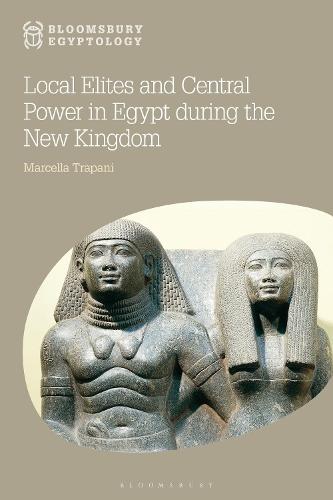
OverviewThis book explores the administration and social organisation of ancient Egypt during the New Kingdom, the age of empire, through the lives and careers of the highest classes of Egyptian society. Based on analysis and interpretation of a wide range of hieratic and hieroglyphic texts (from administrative documents and accounts, to biographies and literature), as well as iconographic and archaeological evidence (reliefs, statues and steles), it compares the transmission of power and the relevance of social provenance during the New Kingdom to other periods of ancient Egyptian history and examines the changing relationship between central power and periphery in the empire. Both texts and figural sources are set in their historical contexts, with the aim of encouraging readers to deepen their understanding of some less-studied aspects of New Kingdom society, such as state control and the recruitment or enrolment of the elite classes. This detailed but straightforward approach will be of use to both scholars and students of Egyptology and Egyptian archaeology, and to those engaged in comparative studies of ancient history, society and culture. Full Product DetailsAuthor: Dr Marcella TrapaniPublisher: Bloomsbury Publishing PLC Imprint: Bloomsbury Academic Dimensions: Width: 15.60cm , Height: 2.50cm , Length: 23.40cm Weight: 0.454kg ISBN: 9781350343153ISBN 10: 1350343153 Pages: 224 Publication Date: 14 May 2026 Audience: Professional and scholarly , Professional & Vocational Format: Hardback Publisher's Status: Active Availability: Manufactured on demand We will order this item for you from a manufactured on demand supplier. Table of ContentsPreface Brief Chronology of the New Kingdom Abbreviations and Symbols 1. Selection Procedures and Identification of the Elite Groups 1.1. A Theoretical Discussion about the Elite 1.2. The Meaning of the Term ‘Elite’ in New Kingdom Egypt 1.3. Titles and Offices as Elite Status Symbols 2. Society and Administration during the 18th Dynasty 2.1. The Soldiers 2.2. The Officials 2.3. The Priesthood 3. The State Control on the Local Elites 3.1. Relationships between the Core of the State and the Court Dignitaries: Some Practical Cases 3.2. Life in the Central Court and Life in the Periphery 3.3. New Military Acquisitions and the Mechanism of Governance 4. Social Organization and Elites in the Deir el-Medina Microcosm 4.1. The Scribes 4.2. The Foremen 4.3. The Architects 4.4. Self-Presentation of the Elites in Deir el-Medina 4.5. Ancestor Worship and Religious Cults 4.6. Elites, Workmen and Divine Justice 5. Economic Crisis and Elites under the Ramessides 5.1. Self-Presentation of the Officials in the Ramesside Texts 5.2. Soldiers, Officials and Priests: A New Iconography 5.3. Attempting an Interpretation 6. Aspects of Elites and Feminine Power in the New Kingdom 6.1. Royal Court and Noble Women 6.2. Feminine Priests and Temple Employees 6.3. The ‘God’s Wife of Amon’: Privileges and Prestige 7. Relationships between Local Elites and the Pharaoh: Imitation and Interpretation Final Remarks: Hypothesis and Open Questions Glossary Suggested Reading Bibliography IndexReviewsAuthor InformationMarcella Trapani is an archaeologist and museum curator at the Italian Ministry of Culture, Italy. Tab Content 6Author Website:Countries AvailableAll regions |
||||