|
|
|||
|
||||
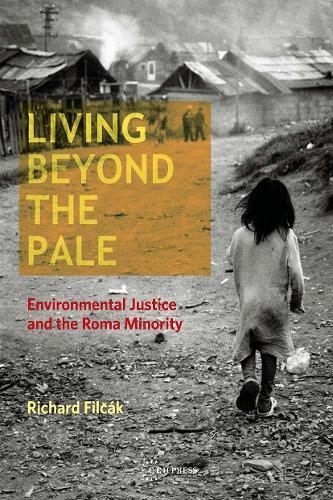
OverviewWe find Roma settlements on the outskirts of villages, separated from the majority population by roads, railways or other barriers, disconnected from water pipelines and sewage treatment. Why are some people (or groups) better off than others when it comes to the distribution of environmental benefits? In order to understand the present situation and identify ways to address the impacts of these inequalities we must understand the past and mechanisms related to the differentiated treatment. The situation and discrimination of the Roma ethnic minority in Slovakia is examined from the perspective of environmental conditions and injustice. There is no simple answer as to why there is environmental injustice. Environmental conditions in Roma settlements are just one of the indicators of failures of policies addressing the problem of poverty and social exclusion in marginalized groups, structural discrimination, and internal Roma problems. Environmental injustice is not an outcome of the ""historical determination"" of the Roma population to live in environmentally problematic places. Full Product DetailsAuthor: Richard FilcákPublisher: Central European University Press Imprint: Central European University Press Dimensions: Width: 15.20cm , Height: 1.40cm , Length: 22.90cm Weight: 0.351kg ISBN: 9789633867020ISBN 10: 9633867029 Pages: 258 Publication Date: 15 September 2023 Audience: Professional and scholarly , Professional & Vocational Format: Paperback Publisher's Status: Active Availability: In Print This item will be ordered in for you from one of our suppliers. Upon receipt, we will promptly dispatch it out to you. For in store availability, please contact us. Table of ContentsList of Abbreviations and Acronyms List of Tables List of Figures Introduction Chapter One. Environmental Poverty and the Roma Points of Departure Setting of the Story Part I Chapter Two. Environmental Justice and Entitlements Distribution and Procedures What Can We Learn from the Justice Struggles? Central and Eastern Europe Entitlements: Resources and Control Chapter Three. The Roma of Slovakia The Past and the Present New Regime and Old Tricks Villages and Shantytowns Situation and Trends Chapter Four. Rudňany: A Tale of the Old Liabilities The Village and the People The Roma in Rudňany A Story of Contaminated Land Roma Coping Strategies Entitlements and Resources People and the Power Roma and the Environment Environmental Injustice Part II Chapter Five. The Svinka River: People, Water and the Environment People, Housing and Segregation Hermanovce Jarovnice Svinia A Tale of Water Floods Environment and Coping Strategies Land, Entitlements and Environmental Justice Chapter Six. A Regional Snapshot Overview Exposure to Toxic and Waste Access to Water and Sanitation Exposure to Flood The Land: Access and Entitlements Risks and the People Chapter Seven. Patterns of Environmental (In)justice Pattern 1: Exposure to Hazardous Waste and Chemicals Pattern 2: Vulnerability to Floods Pattern 3: Differentiated Access to Potable Water Pattern 4: Discriminatory Waste Management Practice The Patterns and the Impacts Chapter Eight. Roma? Not in My Backyard Economic Interests Spatial Distance and “Not in My Backyard” Syndrome Changes in Local Economy “Beyond the Pale” Construction Symbolic, Cultural, and Social Capital Competition and Conflicts Chapter Nine. Trends and Reverting the Trends Doom Scenario: From Competition to Conflict Optimistic Scenario: From Competition to Cooperation Short-term Measures: The Key Challenge of Housing Long-term Opportunities: What is Environmental is Also Economic and Social Green Employment From Entitlements and Involvement into Development Planning, Struggling, and Stakeholders Living beyond the Pale? Challenges and Conclusions Annex 1. Shifts in Approaches References IndexReviewsAuthor InformationRichard Filcák is researcher at the Institute for Forecasting of the Slovak Academy of Sciences. Tab Content 6Author Website:Countries AvailableAll regions |
||||