|
|
|||
|
||||
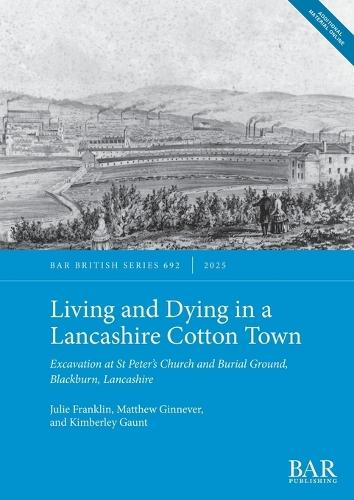
OverviewIn 2015, archaeological investigations by Headland Archaeology in Blackburn, Lancashire, uncovered the remains of the 19th-century St Peter's church and a large part of its graveyard. The remains of nearly 2000 of Blackburn's inhabitants were found, buried between 1821 and c 1860. This study of the archaeological, artefactual, and osteological remains sheds light on 19th-century Blackburn, a period where the town was at its peak as one of the industrial powerhouses of northern England. Complimentary historical research into the church and the lives of some of those buried there allow a glimpse of the human side of the industrial revolution. The resulting picture shows Blackburn as a place full of prosperity, pollution, poverty, and opportunity, as it rapidly expanded over the course of the century. As one of the first industrialised societies, it forged its own way of life. This book shows it also had a particularly distinctive way of death. Full Product DetailsAuthor: Julie Franklin , Matthew Ginnever , Kimberley GauntPublisher: British Archaeological Reports (Oxford) Ltd Imprint: British Archaeological Reports (Oxford) Ltd Volume: 692 Dimensions: Width: 21.00cm , Height: 1.80cm , Length: 29.70cm Weight: 0.835kg ISBN: 9781407356495ISBN 10: 1407356496 Pages: 256 Publication Date: 30 April 2025 Audience: General/trade , General Format: Paperback Publisher's Status: Active Availability: Available To Order We have confirmation that this item is in stock with the supplier. It will be ordered in for you and dispatched immediately. Table of ContentsReviews'This is a welcome volume and its content contributes to developing our understanding of post-medieval populations. [It] complements what has gone before, but also extends what is already known about these industrial populations, especially for the north of England.' Emerita Professor Charlotte Roberts, Department of Archaeology, University of Durham Author InformationTab Content 6Author Website:Countries AvailableAll regions |
||||