Overview
Literary Forensics: How Reading Can Make You a Better Writer is a unique reference book that breaks into simple steps what it takes to become a better reader-that is, to help you read like the writer you want to become. Organized into 25 major topics and containing dozens of exercises, Literary Forensics is cross-referenced with a 200-term glossary and an extensive index to help readers identify, investigate, and absorb the writing techniques uncovered in their reading. The book's central premise is that by applying a ""forensic"" mindset to the act of reading-uncovering the underlying techniques, choices, and tricks that an author employs-writers can turn any published novel into a practical textbook. This methodology is built around twenty-five independent chapters/topics, grouped into four categories of discovery: how a reader's unique perspective influences their reading, the importance of monitoring one's emotional reactions, a guide to finding and learning craft techniques, and understanding the broader publishing environment. Literary Forensics is a compilation of the work that Gary McBride developed and curated through his Boulder-based Writers Who Read monthly novel study group over the past seven years. Also published as a popular monthly podcast, Writers Who Read have analyzed over 70 traditionally published novels published since 2017, using disciplines ranging from literary theory and social psychology to digital humanities. This comprehensive approach gives readers a toolkit to move beyond a passive reading experience and consciously identify the nuanced markers of language, context, point of view, character development, and pacing that create a powerful narrative. The goal is to identify what works-and what doesn't-from a reader's perspective, so that a writer can consciously apply those lessons to their own work. Ever wondered how to truly unlock the secrets of masterful storytelling? Literary Forensics offers a groundbreaking approach to reading like a writer, helping you dissect the intricate craft behind compelling narratives. Gary Alan McBride, drawing from seven years of leading Writers Who Read, fills a critical void by compiling innovative reading techniques you can use to uncover the literary brilliance found in today's novels. This essential reference guide provides the tools that let you: Sharpen Your Awareness with Self-Paced Study: Discover and overcome literary biases and transform your emotional reactions into powerful tools for critical reading. Turn Reading into a Masterclass in Writing: Practice with dozens of modern examples and hands-on exercises, turning your favorite contemporary authors into your personal writing teachers by analyzing their craft. Gain Deep Insights with Interdisciplinary Perspectives: Explore the foundations of effective narrative through discourse analysis, social psychology, literary theory, and more. Use proven academic techniques in a practical, accessible way to enhance your writing immediately. Perfect for writers, literary scholars, and anyone eager to deepen their understanding of how stories work, Literary Forensics will transform your reading and elevate your writing.
Full Product Details
Author: Gary Alan McBride
Publisher: In Res Media
Imprint: In Res Media
Dimensions:
Width: 17.80cm
, Height: 2.30cm
, Length: 25.40cm
Weight: 0.767kg
ISBN: 9798999659811
Pages: 446
Publication Date: 06 January 2026
Audience:
General/trade
,
General
Format: Paperback
Publisher's Status: Active
Availability: In Print

This item will be ordered in for you from one of our suppliers. Upon receipt, we will promptly dispatch it out to you. For in store availability, please contact us.
Reviews
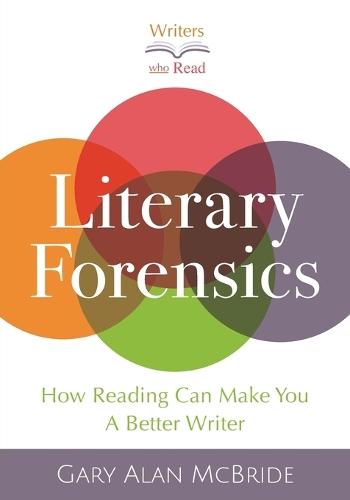
""For a reference book, this is refreshingly well written and accessible, which is unsurprising given the subject, but not always a given in craft texts. I loved the structure: clear, easy to reference, and the perfect balance of freshman comp clarity with interdisciplinary depth. It also gives us a precise vocabulary for things we often feel intuitively as readers when we have those moments where taste says something is working (or not) long before we know how to name or execute it ourselves. I appreciated the range of authors discussed, from writers I already admire, such as Jesmyn Ward, to the inevitable Stephen King plus a sharp critique of how unrealistic his ""daily routine"" really is. One section that especially resonated with me touched on learning and cognitive load. As someone constantly juggling projects, that idea of switching costs struck home, even though it was just a small part of the book. Overall: this is a book I'll be buying in print to keep on my shelf and return to whenever I want to sharpen both my reading and writing practice. Highly recommended for writers who want to read with more purpose and precision."" -Lindsay Warne ""Literary Forensics is a guide for writers to help them become better writers through reading. I believe that even those who aren't writers but are readers who love analyzing books can benefit from reading this book to improve their media literacy. Unlike other books on books I've reading, this one uses an approach I would define holistic. One thing that this book also talks about is covers, and the cover of this book, which is a Venn diagram, perfectly expresses the Gestalt of the book itself. When us, writers, read, we bring ourselves and our set of values and beliefs into our reading. This influences how we perceive a text and the emotions we feel while we read. Whether we are engaged or annoyed, and so far and so forth. I found the book well organized and the index or TOC (table of contents) is great at helping us navigate the book and choose what we want to focus on. Moreover, every chapter tells us which other chapter(s) to read if we want to deepen our knowledge of the topic. As an English lang/lit grad, I was familiar with a lot of things discussed in this book. So what I brought to this book was my academic knowledge. In my opinion, this book can be read by anyone, no matter their background or if they have a degree or not. The language is simple and the author provides clear explanations for the concepts he mentions in the text. The appendices are a great tool if you want to expand your knowledge."" -Titti Capasso
Author Information
Gary Alan McBride is the producer and host of Writers Who Read, a podcast about how to read like a writer, and he is also the founder and facilitator of the Boulder-based Literary Forensics study group of the same name that has analyzed over seventy novels published since 2017. Gary is a fourth-generation Denverite who has traveled extensively for work and pleasure, living for over a decade in Europe and Southeast Asia.