|
|
|||
|
||||
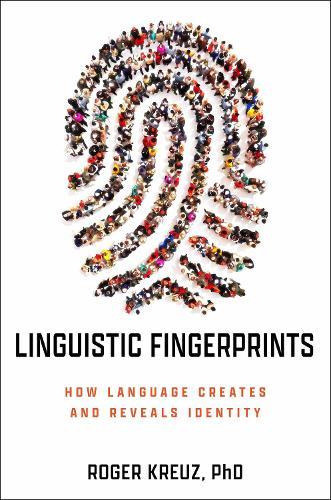
OverviewHow much of ourselves do we disclose when we speak or write? A person's accent may reveal, for example, whether they hail from Australia, or Ireland, or Mississippi. But it's not just where we were born--we divulge all sorts of information about ourselves and our identity through language. Level of education, gender, age, and even aspects of our personality can all be reliably determined by our vocabulary and grammar. To those who know what to look for, we give ourselves away every time we open our mouths or tap on a keyboard. But how unique is a person's linguistic identity? Can language be used to identify a specific person? To identify--or to exonerate--a murder suspect? To determine who authored a particular book? The answer to all these questions is yes. Forensic and computational linguists have developed methods that allow linguistic fingerprinting to be used in law enforcement. Similar techniques are used by literary scholars to identify the authors of anonymous or contested works of literature. Many people have heard that linguistic analysis helped to catch the Unabomber, or to unmask an anonymous editorialist--but how is it done? LINGUSISTIC FINGERPRINTS will explain how these methods were developed and how they are used to solve forensic and literary mysteries. But these techniques aren't perfect, and the book will also include some cautionary tales about mistaken linguistic identity. Full Product DetailsAuthor: Roger J. KreuzPublisher: Prometheus Books Imprint: Prometheus Books Dimensions: Width: 16.40cm , Height: 1.90cm , Length: 23.00cm Weight: 0.490kg ISBN: 9781633888975ISBN 10: 1633888975 Pages: 256 Publication Date: 01 August 2023 Audience: General/trade , General Format: Hardback Publisher's Status: Active Availability: Available To Order We have confirmation that this item is in stock with the supplier. It will be ordered in for you and dispatched immediately. Table of ContentsReviewsAuthor InformationRoger Kreuz is an Associate Dean of the College of Arts & Sciences at the University of Memphis and a Professor in the University's Psychology Department. He works mainly in experimental psychology, cognitive psychology, and psychology of language. He earned his Ph.D at Princeton University. In addition to two edited books, and over fifty journal articles and book chapters, He has been an author on about a hundred research presentations at national and international conferences. According to Google Scholar, his publications have been cited more than 5,000 times. He has fellow status in three professional organizations: The Association for Psychological Science, the Psychonomic Society, and the Society for Text and Discourse. Tab Content 6Author Website:Countries AvailableAll regions |
||||