|
|
|||
|
||||
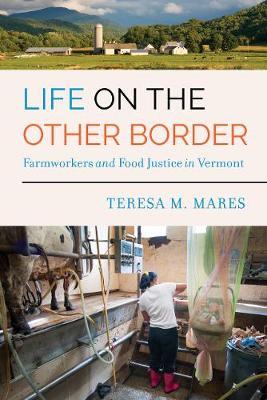
OverviewIn her timely new book, Teresa M. Mares explores the intersections of structural vulnerability and food insecurity experienced by migrant farmworkers in the northeastern borderlands of the United States. Through ethnographic portraits of Latinx farmworkers who labor in Vermont’s dairy industry, Mares powerfully illuminates the complex and resilient ways workers sustain themselves and their families while also serving as the backbone of the state’s agricultural economy. In doing so, Life on the Other Border exposes how broader movements for food justice and labor rights play out in the agricultural sector, and powerfully points to the misaligned agriculture and immigration policies impacting our food system today. Full Product DetailsAuthor: Teresa M. MaresPublisher: University of California Press Imprint: University of California Press Dimensions: Width: 15.20cm , Height: 2.30cm , Length: 22.90cm Weight: 0.499kg ISBN: 9780520295728ISBN 10: 0520295722 Pages: 240 Publication Date: 16 April 2019 Audience: Professional and scholarly , Professional & Vocational Format: Hardback Publisher's Status: Active Availability: Out of stock The supplier is temporarily out of stock of this item. It will be ordered for you on backorder and shipped when it becomes available. Table of ContentsList of Tables and Illustrations Acknowledgments Introduction Bordering Visible Bodies A Distinctive Rural Place? Farmworker Injustice Grows in Every Field Harvesting a Different Product: What Makes Dairy Work Unique It’s Not Just about the Numbers Migrating through the Chapters to Come 1 • Vulnerability and Visibility in the Northern Borderlands Border Violence and Vulnerability “There’s No Mexicans in Vermont!” There Are Indeed Mexicans in Vermont Encerrado The Trump Effect 2 • More than Money: Extending the Meanings and Methodologies of Farmworker Food Security Living with Food Insecurity on Both Sides of the Border Feeding the Nation but Not Being Fed Measuring the Immeasurable? Assessing Dairy Worker Food Insecurity with the (Quantitative) Tools at Hand Telling the Stories of Food Insecurity When Numbers Fall Short Food Insecurity Crosses All Borders 3 • Cultivating Food Sovereignty Where There Are Few Choices Growing a Project from Seed Immigrant Gardens as Fertile Ground for Food Sovereignty They Tried to Bury Us—They Didn’t Know We Were Seeds Challenging Cultural Borders through Experiential Learning 4 • They Are Out, They Are Looking: Providing Goods and Services under Surveillance WIC: From Door-to-Door Delivery to EBT Doing a Lot with Very Little in the Field of Public Health Trunks Full of Banana Leaves and Phone Cards: The Individuals Serving the Farmworker Community 5 • Resilience and Resistance in the Movement for Just Food and Work Navigating the Roles of Researcher and Activist A Timeline of Accomplishments—and Setbacks Immigrant Rights Are Human Rights! (Something Other than) Reform or Revolution? Conclusion The Promise and Complications of Doing Ethnography at Home The Politics of Visibility in the Borderlands The Everyday Meanings of Food Sovereignty The Transformative Potential of Worker-Led Food Movements Some Final Thoughts Appendix 1: Semi-Structured Interview Guide for Farmworkers Appendix 2: Semi-Structured Interview Guide for Service Providers Notes Bibliography IndexReviews[Mares] successfully conveys the importance and value that agricultural laborers bring to our food system, and how their identities are often erased from the consumer experience further down the value chain. * Journal of Agriculture, Food Systems, and Community Development * Mares's book contributes enormously to the fields of critical ethnography, borderland studies, and immigration studies, and would be an excellent addition to any classroom or public discussion of labor rights and food justice. * Gastronomica * Author InformationTeresa M. Mares is Associate Professor of Anthropology at the University of Vermont. Tab Content 6Author Website:Countries AvailableAll regions |
||||