Overview
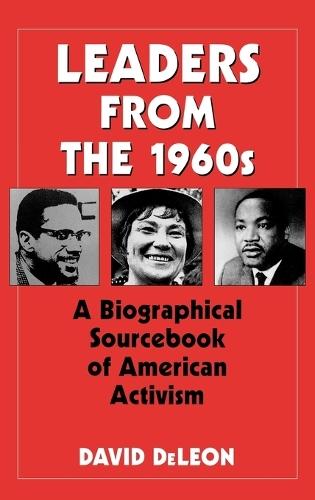
The throngs at Woodstock, Jane Fonda in Hanoi, I Have a Dream, burning draft cards, fire in the streets--these images of the 1960s are still very much alive today. What happened to the people and principles that dominated that decade? Which leaders from those turbulent years had the most lasting effect on our lives today? How well have the principles for which those leaders fought so strongly withstood the test of time? This thought-provoking biographical dictionary allows the reader to study the leaders, both conservative and liberal, their ideals, and their enduring influence. With major sections on racial democracy, peace and freedom, sexuality and gender, the environment, radical culture, and visions of alternative societies, Leaders from the 1960s includes entries on a wide selection of nationally prominent activists of the 1960s. In addition to those who dominated only the sixties, the volume includes earlier activists who came into prominence in the 1960s and activists of the era who came into prominence since the 1960s. Each entry provides a biographical sketch, but the focus of the entries is on the person's basic concepts or the essence of his or her work and the public response it generated. Included are extensive bibliographies on the individuals and the period.
Full Product Details
Author: David De Leon
Publisher: Bloomsbury Publishing Plc
Imprint: Greenwood Press
Dimensions:
Width: 15.60cm
, Height: 3.30cm
, Length: 23.40cm
Weight: 1.047kg
ISBN: 9780313274145
ISBN 10: 0313274142
Pages: 632
Publication Date: 22 June 1994
Recommended Age: From 7 to 17 years
Audience:
College/higher education
,
Professional and scholarly
,
Undergraduate
,
Postgraduate, Research & Scholarly
Format: Hardback
Publisher's Status: Active
Availability: Manufactured on demand

We will order this item for you from a manufactured on demand supplier.
Reviews
?Twenty or so years ago Newsweek magazine had a feature called Where are they now? which reprised and told what had become of figures who had been in the news years before but faded from view. This dictionary provides that sort of information for some eighty leaders of the 1960s who challenged societal assumptions. Its substantial essays do more than that, however: they also explain how each of these leaders came to question society, analyze their thought, and assess their impact. Those who have no personal experience of the 1960s will find that the profiles and their substanital bibliographies provide ideal entree into that era's ideas through the lives of their chief proponents.?-Wilson Library Bulletin
Twenty or so years ago Newsweek magazine had a feature called Where are they now? which reprised and told what had become of figures who had been in the news years before but faded from view. This dictionary provides that sort of information for some eighty leaders of the 1960s who challenged societal assumptions. Its substantial essays do more than that, however: they also explain how each of these leaders came to question society, analyze their thought, and assess their impact. Those who have no personal experience of the 1960s will find that the profiles and their substanital bibliographies provide ideal entree into that era's ideas through the lives of their chief proponents. -Wilson Library Bulletin The book is about people at odds with present American society. This collection is current, concise, and presents a wealth of information that can be found easily. The bibliographies alone can guide a learner who wants to dig deeper into a cause or the life of one of these Americans. -VOYA This book traces the lives of many famous-or in some eyes notorious-cultural, social, and political activists of the 1960s and provides follow-up information on their later lives. The entries are well written. This is enthusiastically recommended for public and undergraduate libraries. -Library Journal Within each section individual leaders are treated in signed articles of varying length that explain the biographees' background and significance and include a bibliography of works by and about them. The list of contributors, most of them teaching faculty, is impressive. The best feature of this work is its breadth of coverage, which encompasses well-known leaders and individuals who are often forgotten. This is a valuable compendium and sourcebook for all students of the sixties; general and undergraduate collections. -Choice While there is a lot of nostalgia today for 1960s pop culture, many people are unaware of the important changes in society that resulted from this period and of the people who were responsible for them....This collection of biographies surveys the lives and accomplishments of 86 men and women who range on the political spectrum from liberal to radical. Entries are arranged by such topics as the civil rights, antiwar, environmental, and women's movements....Those who experienced this era will find this interesting, but it is also important for younger readers, who need to know that the sixties weren't just about Woodstock, bell bottoms, and LSD. -Booklist/Reference Books Bulletin ?The book is about people at odds with present American society. This collection is current, concise, and presents a wealth of information that can be found easily. The bibliographies alone can guide a learner who wants to dig deeper into a cause or the life of one of these Americans.?-VOYA ?This book traces the lives of many famous-or in some eyes notorious-cultural, social, and political activists of the 1960s and provides follow-up information on their later lives. The entries are well written. This is enthusiastically recommended for public and undergraduate libraries.?-Library Journal ?Within each section individual leaders are treated in signed articles of varying length that explain the biographees' background and significance and include a bibliography of works by and about them. The list of contributors, most of them teaching faculty, is impressive. The best feature of this work is its breadth of coverage, which encompasses well-known leaders and individuals who are often forgotten. This is a valuable compendium and sourcebook for all students of the sixties; general and undergraduate collections.?-Choice ?While there is a lot of nostalgia today for 1960s pop culture, many people are unaware of the important changes in society that resulted from this period and of the people who were responsible for them....This collection of biographies surveys the lives and accomplishments of 86 men and women who range on the political spectrum from liberal to radical. Entries are arranged by such topics as the civil rights, antiwar, environmental, and women's movements....Those who experienced this era will find this interesting, but it is also important for younger readers, who need to know that the sixties weren't just about Woodstock, bell bottoms, and LSD.?-Booklist/Reference Books Bulletin ?Twenty or so years ago Newsweek magazine had a feature called Where are they now? which reprised and told what had become of figures who had been in the news years before but faded from view. This dictionary provides that sort of information for some eighty leaders of the 1960s who challenged societal assumptions. Its substantial essays do more than that, however: they also explain how each of these leaders came to question society, analyze their thought, and assess their impact. Those who have no personal experience of the 1960s will find that the profiles and their substanital bibliographies provide ideal entree into that era's ideas through the lives of their chief proponents.?-Wilson Library Bulletin
Twenty or so years ago Newsweek magazine had a feature called Where are they now? which reprised and told what had become of figures who had been in the news years before but faded from view. This dictionary provides that sort of information for some eighty leaders of the 1960s who challenged societal assumptions. Its substantial essays do more than that, however: they also explain how each of these leaders came to question society, analyze their thought, and assess their impact. Those who have no personal experience of the 1960s will find that the profiles and their substanital bibliographies provide ideal entree into that era's ideas through the lives of their chief proponents. -Wilson Library Bulletin The book is about people at odds with present American society. This collection is current, concise, and presents a wealth of information that can be found easily. The bibliographies alone can guide a learner who wants to dig deeper into a cause or the life of one of these Americans. -VOYA Within each section individual leaders are treated in signed articles of varying length that explain the biographees' background and significance and include a bibliography of works by and about them. The list of contributors, most of them teaching faculty, is impressive. The best feature of this work is its breadth of coverage, which encompasses well-known leaders and individuals who are often forgotten. This is a valuable compendium and sourcebook for all students of the sixties; general and undergraduate collections. -Choice While there is a lot of nostalgia today for 1960s pop culture, many people are unaware of the important changes in society that resulted from this period and of the people who were responsible for them....This collection of biographies surveys the lives and accomplishments of 86 men and women who range on the political spectrum from liberal to radical. Entries are arranged by such topics as the civil rights, antiwar, environmental, and women's movements....Those who experienced this era will find this interesting, but it is also important for younger readers, who need to know that the sixties weren't just about Woodstock, bell bottoms, and LSD. -Booklist/Reference Books Bulletin This book traces the lives of many famous-or in some eyes notorious-cultural, social, and political activists of the 1960s and provides follow-up information on their later lives. The entries are well written. This is enthusiastically recommended for public and undergraduate libraries. -Library Journal ?The book is about people at odds with present American society. This collection is current, concise, and presents a wealth of information that can be found easily. The bibliographies alone can guide a learner who wants to dig deeper into a cause or the life of one of these Americans.?-VOYA ?This book traces the lives of many famous-or in some eyes notorious-cultural, social, and political activists of the 1960s and provides follow-up information on their later lives. The entries are well written. This is enthusiastically recommended for public and undergraduate libraries.?-Library Journal ?Within each section individual leaders are treated in signed articles of varying length that explain the biographees' background and significance and include a bibliography of works by and about them. The list of contributors, most of them teaching faculty, is impressive. The best feature of this work is its breadth of coverage, which encompasses well-known leaders and individuals who are often forgotten. This is a valuable compendium and sourcebook for all students of the sixties; general and undergraduate collections.?-Choice ?Twenty or so years ago Newsweek magazine had a feature called Where are they now? which reprised and told what had become of figures who had been in the news years before but faded from view. This dictionary provides that sort of information for some eighty leaders of the 1960s who challenged societal assumptions. Its substantial essays do more than that, however: they also explain how each of these leaders came to question society, analyze their thought, and assess their impact. Those who have no personal experience of the 1960s will find that the profiles and their substanital bibliographies provide ideal entree into that era's ideas through the lives of their chief proponents.?-Wilson Library Bulletin ?While there is a lot of nostalgia today for 1960s pop culture, many people are unaware of the important changes in society that resulted from this period and of the people who were responsible for them....This collection of biographies surveys the lives and accomplishments of 86 men and women who range on the political spectrum from liberal to radical. Entries are arranged by such topics as the civil rights, antiwar, environmental, and women's movements....Those who experienced this era will find this interesting, but it is also important for younger readers, who need to know that the sixties weren't just about Woodstock, bell bottoms, and LSD.?-Booklist/Reference Books Bulletin
Author Information
DAVID DeLEON is Associate Professor of History at Howard University. His most recent book is Everything Is Changing: Contemporary U.S. Movements in Historical Perspective (Praeger, 1988).