Overview
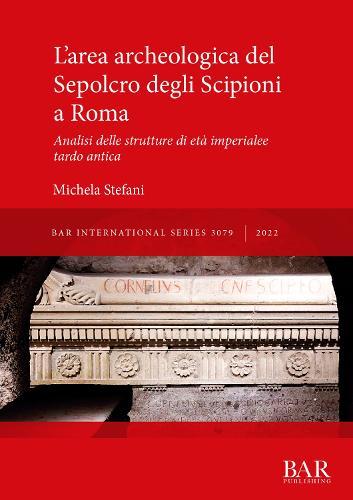
"Il Sepolcro degli Scipioni, situato sulla Via Appia fuori Porta Capena, si configura come un vero e proprio palinsesto di epoche storiche. Oltre al celebre ipogeo infatti numerose altre strutture funerarie furono progressivamente costruite nel sito, come due colombari, due recinti funerari, una tomba a tempietto e un edificio funerario con piccola catacomba annessa, alcuni edifici presumibilmente residenziali, e una struttura forse interpretabile come un impianto produttivo/artigianale. La presente monografia si focalizza sull'analisi storico-archeologica degli edifici di età imperiale e tardo antica, condotta attraverso l'analisi tipologica delle tecniche costruttive, della stratigrafia delle cortine e lo studio funzionale degli edifici. Ciò ha permesso di ricostruire l'evoluzione degli insediamenti del sito e del tratto urbano della via Appia, incluso nell'urbs con al costruzione delle Mura Aureliane, offrendo una visione d'insieme sul progressivo cambiamento delle dinamiche di sfruttamento e occupazione di un territorio ""ibrido"" di confine dal periodo imperiale alla tarda antichità. The Tomb of the Scipios constitutes a palimpsest of historical periods. Besides the famous hypogeum, other funerary structures were progressively built on the site, such as two columbaria, two funerary enclosures, a temple tomb and a funerary building with a small catacomb, some residential buildings, and a structure interpreted as a production plant. This monograph focuses on the historical-archaeological analysis of the imperial and late antique buildings, conducted through the typological analysis of construction techniques, the stratigraphy of the curtain wall and the functional study of the buildings. "
Full Product Details
Author: Michela Stefani
Publisher: BAR Publishing
Imprint: BAR Publishing
Weight: 0.694kg
ISBN: 9781407357775
ISBN 10: 1407357778
Pages: 174
Publication Date: 30 April 2022
Audience:
Professional and scholarly
,
Professional & Vocational
Format: Paperback
Publisher's Status: Active
Availability: Available To Order

We have confirmation that this item is in stock with the supplier. It will be ordered in for you and dispatched immediately.
Reviews
'The tomb of the Scipios is one of Rome's most extensive and important tomb monuments, both archaeologically and historically. It is the importance of the subject, but more so, the importance of the combination of new and old data that will make this book a new reference to tombs of the Scipios.' Dr Alexander Sokolicek, Universitat Salzburg 'The extraordinary importance of the tomb of the Scipios, which is here properly contextualised for the first time, means that the book makes a great contribution to our understanding of the Roman funerary landscape and its development, especially in an area inside the Aurelian Wall. It is likely to remain a work of reference for many decades to come.' Professor Barbara Borg, University of Exeter
'The tomb of the Scipios is one of Rome's most extensive and important tomb monuments, both archaeologically and historically. It is the importance of the subject, but more so, the importance of the combination of new and old data that will make this book a new reference to tombs of the Scipios.' Dr Alexander Sokolicek, Universität Salzburg 'The extraordinary importance of the tomb of the Scipios, which is here properly contextualised for the first time, means that the book makes a great contribution to our understanding of the Roman funerary landscape and its development, especially in an area inside the Aurelian Wall. It is likely to remain a work of reference for many decades to come.' Professor Barbara Borg, University of Exeter
Author Information
Michela Stefani ha conseguito il dottorato presso l'Università degli Studi Roma Tre. Sta attualmente conducendo ricerche post-dottorali riguardanti la trasformazione dei confini di Roma tra la Tarda Antichità e il Medioevo collaborando a livello internazionale con diverse università e istituti. Michela Stefani was awarded her PhD by the Università degli Studi Roma Tre. She is currently conducting postdoctoral research on the transformation of Rome's borders between Late Antiquity and the Middle Ages working with numerous universities and institutes at international level.