Overview
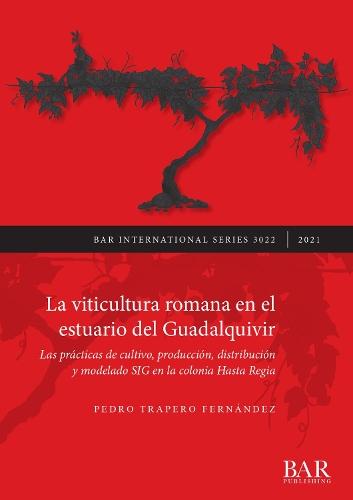
La provincia bética en época romana fue una importante región productora de trigo, aceite y vino. Este último producto se conoce por las ánforas vinarias en todo el Imperio, pero no se habían localizado lugares de producción. En el Bajo Guadalquivir se encuentra la colonia Hasta Regia, en un área que actualmente es el marco productivo del vino Jerez Xeres Sherry. En este libro se analiza a través de las fuentes literarias como el agrónomo Columela, las arqueológicas como el estudio de materiales y prospecciones superficiales, así como las técnicas de cultivo, los parámetros de producción y la distribución que tuvieron estos productos. El objeto final es plantear un modelo de análisis del territorio mediante los Sistemas de Información Geográfica para poder calcular y modelar la producción vitivinícola de esta región. In the Roman period, the Betic region was an important producer of wheat, oil and wine. Although wine amphoras have been found throughout the empire, no production sites have been located. The colony of Hasta Regia lies on the lower part of the Guadalquivir river in an area that is currently the centre of production for Xeres Sherry. This book uses various techniques to analyse this region: literary sources, such as the agronomist Columella, as well as the study of materials and surface surveys, cultivation techniques, production parameters, and how these products were distributed. Its ultimate object is to propose a model of analysis of the territory using Geographical Information Systems to calculate and model the wine production of this region.
Full Product Details
Author: Pedro Trapero Fernández
Publisher: BAR Publishing
Imprint: BAR Publishing
Weight: 0.837kg
ISBN: 9781407357966
ISBN 10: 1407357964
Pages: 210
Publication Date: 09 April 2021
Audience:
Professional and scholarly
,
Professional & Vocational
Format: Paperback
Publisher's Status: Active
Availability: Available To Order

We have confirmation that this item is in stock with the supplier. It will be ordered in for you and dispatched immediately.
Reviews
'[This book] offers a meticulous and exhaustive presentation of data on a neglected wetland region, drawing attention to the unique and special properties of such territories. The application of a highly innovative and very interesting methodology, using GIS juxtaposed with archaeological and textual evidence and data on modern land use, is an exciting contribution.' Dr Tamara Lewit, University of Melbourne 'The integration of environmental, geological and, generally, scientific, data is hugely beneficial and a fantastic addition to this study. . [T]he integration and subsequent discussion of viticultural modelling for the Hasta region is a tremendous addition to the current interdisciplinary corpus and scholarly debate on ancient agriculture.' Dr Emlyn Dodd, British School at Rome '[B]y reconstructing the material structures of the habitat and the economy . [this study] allows us to delve into the real impact of the processes of cultural change and socioeconomic dynamics in the Roman West. . In the last two decades there has been a very important renovation both in theoretical perspectives and in analysis methodology. . [This] book is perfectly integrated into this movement of renewal and constitutes a case study of great importance.' Dr Víctor Revilla Calvo, Universitat de Barcelona
'[This book] offers a meticulous and exhaustive presentation of data on a neglected wetland region, drawing attention to the unique and special properties of such territories. The application of a highly innovative and very interesting methodology, using GIS juxtaposed with archaeological and textual evidence and data on modern land use, is an exciting contribution.' Dr Tamara Lewit, University of Melbourne 'The integration of environmental, geological and, generally, scientific, data is hugely beneficial and a fantastic addition to this study. . [T]he integration and subsequent discussion of viticultural modelling for the Hasta region is a tremendous addition to the current interdisciplinary corpus and scholarly debate on ancient agriculture.' Dr Emlyn Dodd, British School at Rome '[B]y reconstructing the material structures of the habitat and the economy . [this study] allows us to delve into the real impact of the processes of cultural change and socioeconomic dynamics in the Roman West. . In the last two decades there has been a very important renovation both in theoretical perspectives and in analysis methodology. . [This] book is perfectly integrated into this movement of renewal and constitutes a case study of great importance.' Dr Víctor Revilla Calvo, Universitat de Barcelona
'[This book] offers a meticulous and exhaustive presentation of data on a neglected wetland region, drawing attention to the unique and special properties of such territories. The application of a highly innovative and very interesting methodology, using GIS juxtaposed with archaeological and textual evidence and data on modern land use, is an exciting contribution.' Dr Tamara Lewit, University of Melbourne 'The integration of environmental, geological and, generally, scientific, data is hugely beneficial and a fantastic addition to this study. . [T]he integration and subsequent discussion of viticultural modelling for the Hasta region is a tremendous addition to the current interdisciplinary corpus and scholarly debate on ancient agriculture.' Dr Emlyn Dodd, British School at Rome '[B]y reconstructing the material structures of the habitat and the economy . [this study] allows us to delve into the real impact of the processes of cultural change and socioeconomic dynamics in the Roman West. . In the last two decades there has been a very important renovation both in theoretical perspectives and in analysis methodology. . [This] book is perfectly integrated into this movement of renewal and constitutes a case study of great importance.' Dr Victor Revilla Calvo, Universitat de Barcelona
Author Information
Pedro Trapero Fernández es doctor en Historia y Arqueología, investigador de la agricultura y paisaje de época romana, mediante el uso de los SIG, técnicas geofísicas y teledetección. Es investigador del Laboratorio de Historia del IVAGRO (Instituto de Estudios Vitivinícolas y Agroalimentarios) de la Universidad de Cádiz. Pedro Trapero Fernández holds a doctorate in History and Archaeology and researches the agriculture and landscape of the Roman period, using GIS, geophysical techniques and remote sensing. He is a researcher at the Laboratory of History of IVAGRO (Institute of Wine and Food Studies) of the University of Cadiz.