Overview
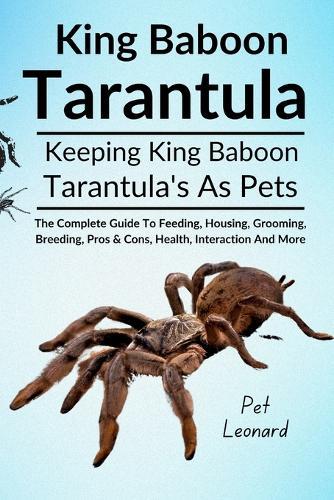
The King Baboon Tarantula (Pelinobius muticus) is a striking species of tarantula native to East Africa. Renowned for its imposing size, distinctive appearance, and fascinating behaviors, it has become a sought-after pet among experienced arachnid enthusiasts. Let's delve deeper into its overview and natural origins. Overview of the Species The King Baboon Tarantula is one of the largest tarantula species, with adult females reaching up to 8 inches (20 cm) in leg span. It is a member of the Theraphosidae family and is the only species in its genus, Pelinobius. Some of its key characteristics include: Appearance: The King Baboon is known for its robust body and striking coloration. Adults exhibit a copper to reddish-brown hue with a velvety sheen. Their thick, spindly legs have a textured appearance due to fine hair and spines. Defensive Behavior: This species is known for its aggressive and defensive nature. When threatened, it may rear up and display its fangs as a warning. It lacks urticating hairs (commonly found in New World tarantulas), so it relies more on its strong bite and intimidation display for defense. Longevity: King Baboon Tarantulas have an impressive lifespan, with females living up to 20-25 years, while males typically survive only 8-10 years. Burrowing Lifestyle: Unlike some arboreal tarantulas, the King Baboon is a fossorial species, meaning it lives primarily underground. It constructs elaborate burrow systems in captivity and the wild, providing shelter and aiding its ambush predation style. Origins and Natural Habitat The King Baboon Tarantula is native to the savannas and scrublands of East Africa, particularly in countries like Kenya, Tanzania, and Uganda. Its natural environment plays a significant role in shaping its behavior and care requirements as a pet. Climate and Environment: The regions where the King Baboon thrives are typically arid to semi-arid, characterized by warm temperatures and seasonal rainfall. These tarantulas adapt to fluctuating conditions by retreating to their burrows, which maintain a more stable microclimate. Soil and Substrate: The soil in their habitat is often sandy or loamy, making it ideal for burrowing. This natural proclivity for digging should be replicated in captivity to ensure their comfort and well-being. Predators and Prey: In the wild, King Baboon Tarantulas are both predators and prey. They feed on a variety of insects, small reptiles, and amphibians, lying in wait for unsuspecting prey to pass near their burrow entrance. Predators include birds, larger mammals, and even other arachnids. Ecological Role: As a predator, the King Baboon Tarantula helps control insect populations. Its burrows also contribute to soil aeration, benefiting the ecosystem. The combination of its stunning appearance, unique behaviors, and ecological significance makes the King Baboon Tarantula an intriguing and rewarding pet for knowledgeable enthusiasts. However, its natural defensiveness and specialized care requirements make it more suitable for experienced keepers.
Full Product Details
Author: Pet Leonard
Publisher: Independently Published
Imprint: Independently Published
Dimensions:
Width: 15.20cm
, Height: 1.10cm
, Length: 22.90cm
Weight: 0.272kg
ISBN: 9798301947377
Pages: 198
Publication Date: 01 December 2024
Audience:
Children/juvenile
,
Children / Juvenile
Format: Paperback
Publisher's Status: Active
Availability: In Print

This item will be ordered in for you from one of our suppliers. Upon receipt, we will promptly dispatch it out to you. For in store availability, please contact us.