|
|
|||
|
||||
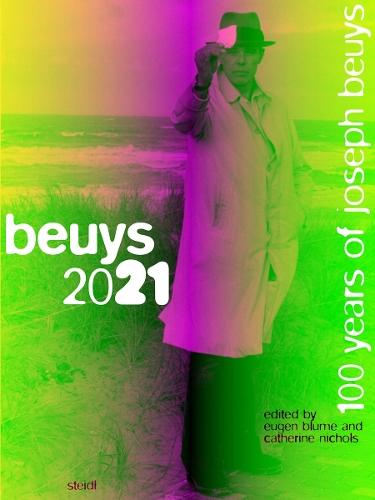
OverviewWhat do our thoughts, our feelings and desires have to do with sculpture? Is art the only revolutionary force? Is the future a category of art? Are these even the questions we need to be asking? 100 years after the birth of Joseph Beuys, one of the most significant twentieth-century artists, the German state of North Rhine-Westphalia is rearticulating these questions so fundamental to both his art and thought. This publication provides an overview of the extensive program of “beuys 2021. 100 years of joseph beuys”—including exhibitions, lectures and performances—and examines what it is that makes this artist so controversial and still so very topical. It explores his complex œuvre, pays homage to his international impact and rediscovers the revolutionary potential of his thought. Bringing together many voices, this book is conceived as an imaginary conversation with the artist. A wide range of contributors from many different spheres, generations and cultures enter into a richly associative dialogue with his aphorisms. Together they explore the genesis and viability of Beuys’ vision of a future based on the principles of art. Full Product DetailsAuthor: Eugen Blume , Catherine Nichols , Caroline Tisdall , Catherine NicholsPublisher: Steidl Publishers Imprint: Steidl Verlag ISBN: 9783958299221ISBN 10: 3958299229 Pages: 384 Publication Date: 27 June 2024 Audience: General/trade , General Format: Hardback Publisher's Status: Active Availability: Not yet available This item is yet to be released. You can pre-order this item and we will dispatch it to you upon its release. Table of ContentsReviewsAuthor InformationWidely regarded as one of the most influential artists of the twentieth century, Joseph Beuys (1921–86) was a sculptor, draughtsman, action and installation artist, as well as a teacher, politician and activist. After serving as a soldier in World War II, experiences that would strongly shape his practice, he studied sculpture at the Kunstakademie Düsseldorf, where he was made professor in 1961. From the early 1960s Beuys dissolved the difference between his biography and art, and increasingly employed his persona and charisma in what he deemed art’s ultimate purpose: to radically democratize society. He called for the adoption of his universalist conception of art as a creative, transformative force within politics, science, philosophy and economics. Now as then Beuys exerts a palpable influence upon artistic and political discourse. Tab Content 6Author Website:Countries AvailableAll regions |
||||