|
|
|||
|
||||
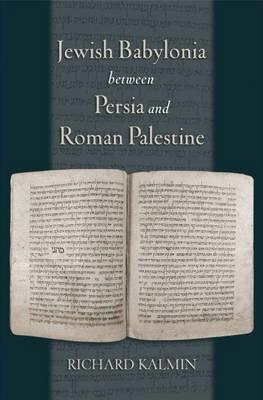
OverviewThe Babylonian Talmud is the most important text of Rabbinic Judaism. Produced between the third and sixth centuries from both Babylonian and Palestinian sources, it records debates among the Rabbis over matters of law and custom, and forms the backbone of much of Jewish practice even today. In this book, Richard Kalmin probes the fault lines between Palestinian and Babylonian sources, and demonstrates how the differences between them reflect the divergent social attitudes of these two societies. At the time of composition of the Talmud, Palestine was a Roman province and was therefore more attuned to western cultural norms. Babylonia, by contrast, was oriented much more strongly toward the east and drew more on the cultural influence of Persian society. Babylonian Rabbis were also much more insular than their more cosmopolitan Palestinian counterparts, and for this reason the early Babylonian materials are much more coherent. By contrast, later Babylonian materials have much more in common with Palestinian portions of the text. Kalmin convincingly demonstrates that this shift can be traced to the opening of Babylonian society in the fourth century.; This was precipitated by the conversion of neighboring Armenia to Christianity, which brought Roman influence to bear on Persian society. Kalmin's work sheds important new light on the origins of Rabbinic Judaisms most important text and should be of interest to scholars of early Judaism and the Hebrew Bible. Full Product DetailsAuthor: Richard KalminPublisher: Oxford University Press, USA Imprint: Oxford University Press, USA ISBN: 9781281163189ISBN 10: 128116318 Pages: 285 Publication Date: 01 January 2006 Audience: General/trade , General Format: Electronic book text Publisher's Status: Active Availability: Available To Order We have confirmation that this item is in stock with the supplier. It will be ordered in for you and dispatched immediately. Table of ContentsReviewsAuthor InformationTab Content 6Author Website:Countries AvailableAll regions |
||||