Overview
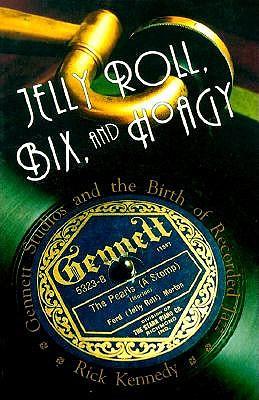
Some of the earliest performances by the likes of Jelly Roll Morton, the New Orleans Rhythm Kings, King Oliver, Louis Armstrong, and Bix Beiderbecke were preserved on recordings produced at Gennett Studios, an independent company operating in Richmond, Indiana, from 1917 to 1932. Hoagy Carmichael's ""Stardust"" debuted on Gennett as a dance stomp. The Gennetts made music history by recording young jazz pioneers in the Midwest and folk musicians from the Appalachian hills at a time when major record labels in the East couldn't be bothered.Gennett featured such country music stars as Gene Autry, Chubby Parker, and Bradley Kincaid and early blues artists Big Bill Broonzy, Blind Lemon Jefferson, and Roosevelt Sykes; and during a period of rigid segregation, Gennett freely recorded black musicians. Jelly Roll, Hoagy, and Bix is the first detailed account of the people and events behind this unique company. Personalized by anecdotes from musicians, employees, and family members, it traces the colorful history of this innovative business until its demise during the Great Depression.
Full Product Details
Author: Rick Kennedy
Publisher: Indiana University Press
Imprint: Indiana University Press
Dimensions:
Width: 15.90cm
, Height: 2.10cm
, Length: 23.50cm
Weight: 0.454kg
ISBN: 9780253213150
ISBN 10: 0253213150
Pages: 256
Publication Date: 22 March 1999
Audience:
Professional and scholarly
,
Professional & Vocational
Format: Paperback
Publisher's Status: Unknown
Availability: In Print

Limited stock is available. It will be ordered for you and shipped pending supplier's limited stock.
Reviews
Delightful history of Gennett Records, its parent the Start Piano Company of Richmond, Indiana, in the 1920s, and the birth of recorded jazz, by a former business and entertainment reporter for the Cincinnati Post and the Richmond Palladium-Item. Among the stars that Gennett was the first, or one of the first, to record were King Oliver and His Creole Jazz Band, Louis Armstrong, Jelly Roll Morton, the New Orleans Rhythm Kings, the Red Onion Jazz Babies, and Bix Beiderbecke. Gennett pressed the first recordings of Hoagy Carmichael's Star Dust (by Hoagy Carmichael and His Pals) and as an up-tempo stomp! From Thomas Edison's earliest cylinder to the major legal battles between Gennett and giant Victor Records over patents, Kennedy traces the history of the recording process, showing how Gennett's victory made possible the growth of many smaller recording companies. Gennett, which began as a piano company, at one point had sold 300,000 pianos and maintained a huge factory complex in Start Valley to which jazz artists would come and find themselves sandwiched between salon orchestras, comedy recordings, health fitness records, and recordings of folks such as William Jennings Bryant, who waxed his Cross of Gold speech for Gennett. Meanwhile, Gennett also recorded for the Ku Klux Klan: While the Gennett family employed blacks in their homes, the Start factories never employed blacks in the 1920s, Kennedy says. He discusses the Oliver/Armstrong cornet duets and shoots down the tale that Louis had to stand fifteen feet off not to overpower Joe. He describes the shaping of the Beiderbecke legend and the later mystery of the lost Armstrong and Beiderbecke masters once Gennett Records folded. For jazz followers, not to be missed. A huge success. (Kirkus Reviews)