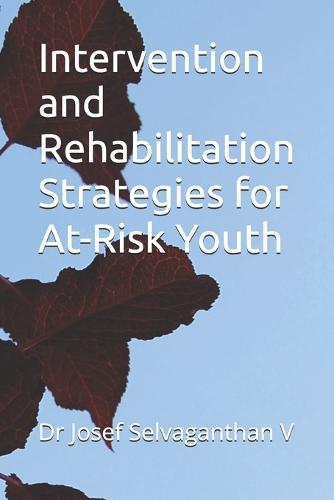
Overview
Today's youth are exposed to influences earlier, more frequently, and with fewer natural barriers, which can alter the course of their development. Substance use, online exposure, peer-driven behaviour, and shifting family dynamics combine to create an environment in which poor decisions are not only possible but often normalised. Within this landscape, the role of the counsellor becomes both critical and demanding. The counsellor is no longer simply an observer or a passive listener. He or she must function as an assessor, strategist, guide, and, at times, a stabilising authority figure. This requires more than empathy. It requires discernment, structure, and the ability to intervene with clarity when patterns of risk begin to form. At-risk youth do not typically present themselves in obvious ways. Their behaviours may be subtle in the early stages-such as declining academic performance, withdrawal from family interactions, increased irritability, or association with problematic peer groups. Without careful attention, these indicators can be dismissed as normal developmental phases. By the time more serious concerns emerge, the patterns may already be entrenched. It is therefore essential that counsellors develop the ability to: Recognise early behavioural and psychological warning signs Conduct structured assessments that go beyond surface-level observations Engage resistant or defensive youth in meaningful dialogue Implement interventions that are both firm and constructive Work with families, institutions, and support systems in a coordinated manner This book is organised to support these objectives in a systematic way. It begins by establishing a clear understanding of what constitutes risk, examining the psychological, social, and environmental factors that contribute to vulnerability. It then moves into specific domains such as substance abuse, delinquency, and mental health challenges-areas where early intervention can significantly alter outcomes. The later sections focus on practical counselling methods, including rapport-building, crisis intervention, behavioural strategies, and long-term rehabilitation planning. Special attention is given to the realities of working within structured environments such as rehabilitation centres, where discipline, routine, and accountability are essential components of recovery.
Full Product Details
Author: Josef Selvganthan V
Publisher: Independently Published
Imprint: Independently Published
Dimensions:
Width: 15.20cm
, Height: 1.40cm
, Length: 22.90cm
Weight: 0.331kg
ISBN: 9798259219557
Pages: 244
Publication Date: 28 April 2026
Audience:
Young adult
,
Teenage / Young adult
Format: Paperback
Publisher's Status: Active
Availability: Available To Order

We have confirmation that this item is in stock with the supplier. It will be ordered in for you and dispatched immediately.