Overview
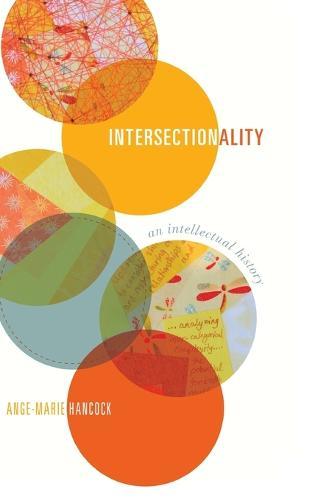
Intersectionality theory has emerged over the past thirty years as a way to think about the avenues by which inequalities (most often dealing with, but not limited to, race, gender, class and sexuality) are produced. Rather than seeing such categories as signaling distinct identities that can be adopted, imposed or rejected, intersectionality theory considers the logic by which each of these categories is socially constructed as well as how they operate within the diffusion of power relations. In other words, social and political power are conferred through categories of identity, and these identities bear vastly material effects. Rather than look at inequalities as a relationship between those at the center and those on the margins, intersectionality maps the relative ways in which identity politics create power. Though intersectionality theory has emerged as a highly influential school of thought in ethnic studies, gender studies, law, political science, sociology and psychology, no scholarship to date exists on the evolution of the theory. In the absence of a comprehensive intellectual history of the theory, it is often discussed in vague, ahistorical terms. And while scholars have called for greater specificity and attention to the historical foundations of intersectionality theory, their idea of the history to be included is generally limited to the particular currents in the United States. This book seeks to remedy the vagueness and murkiness attributed to intersectionality by attending to the historical, geographical, and cross-disciplinary myopia afflicting current intersectionality scholarship. This comprehensive intellectual history is an agenda-setting work for the theory.
Full Product Details
Author: Ange-Marie Hancock (Associate Professor of Poltical Science and Gender Studies, Associate Professor of Poltical Science and Gender Studies, University of Southern California)
Publisher: Oxford University Press Inc
Imprint: Oxford University Press Inc
Dimensions:
Width: 21.80cm
, Height: 2.30cm
, Length: 14.50cm
Weight: 0.479kg
ISBN: 9780199370368
ISBN 10: 0199370362
Pages: 274
Publication Date: 28 January 2016
Audience:
College/higher education
,
Postgraduate, Research & Scholarly
Format: Hardback
Publisher's Status: Active
Availability: Manufactured on demand

We will order this item for you from a manufactured on demand supplier.
Reviews
An outstanding book that is essential reading for anyone interested in intersectionality. That is to say, if there is an intersectionality canon, this book clearly belongs in it. -- Devon W. Carbado, Professor of Law, UCLA, and co-author of Acting White? Rethinking Race in Post Racial America This book is overdue and a welcome intervention. It will be particularly important for students, who can't be expected to put together the historical perspective and intellectual genealogy that Hancock delivers in this book. Hancock's attention to the work of scholar-activists on intersectionality is especially important and often overlooked, as is her attention to women theorizing intersectionality outside the US. -- Elisabeth Cole, Professor, Women's Studies, Psychology, and Afroamerican & African Studies, University of Michigan In this groundbreaking text Hancock faces head on with rigor, deft and elegance some of the most controversial tensions and controversies in the field. She offers new interpretations and fresh insights essential to the continual development of intersectionality for advancing social justice and equality both within and outside the academy. -- Olena Hankivsky, Professor, School of Public Policy, and Director, Institute for Intersectionality Research and Policy, Simon Fraser University Intersectionality: An Intellectual History proves a valuable contribution to feminist scholarship on intersectionality's many lives. Not only does the book reveal the importance of historical approaches to intersectionality, it also develops the rich concept of stewardship that provides a vocabulary for considering mindful, ethical deployments of intersectionality that ensure the analytic's future vitality. --Jennifer C. Nash, George Washington University Strong in its extensive consideration of less well-used sources among intersectionality scholars. Hancock brings together Indian, Mexican, Egyptian, Filipina, Canadian, Chinese, and Senegalese feminist work with American black and Chicana feminists' work in a way that is uncommon in most intersectionality scholarship. -- Choice This book provides an important analysis of the development of the concept [of intersectionality] in both activist and intellectual contexts and helps us move beyond some of the problems that have arisen as intersectionality has gained currency within the US academy. --Leela Fernandes, University of Michigan in New Political Science [Intersectionality] is a timely and important intervention in the study of power and politics. Hancock proves to be a skillful guide, continually drawing out easy-to-miss insights and distinctions as she leads us through a rich history of intersectional thought and practice. -- Zein Murib and Joe Soss, University of Minnesota in New Political Science An outstanding book that is essential reading for anyone interested in intersectionality. That is to say, if there is an intersectionality canon, this book clearly belongs in it. -- Devon W. Carbado, Professor of Law, UCLA, and co-author of Acting White? Rethinking Race in Post Racial America This book is overdue and a welcome intervention. It will be particularly important for students, who can't be expected to put together the historical perspective and intellectual genealogy that Hancock delivers in this book. Hancock's attention to the work of scholar-activists on intersectionality is especially important and often overlooked, as is her attention to women theorizing intersectionality outside the US. -- Elisabeth Cole, Professor, Women's Studies, Psychology, and Afroamerican & African Studies, University of Michigan In this groundbreaking text Hancock faces head on with rigor, deft and elegance some of the most controversial tensions and controversies in the field. She offers new interpretations and fresh insights essential to the continual development of intersectionality for advancing social justice and equality both within and outside the academy. -- Olena Hankivsky, Professor, School of Public Policy, and Director, Institute for Intersectionality Research and Policy, Simon Fraser University Intersectionality: An Intellectual History proves a valuable contribution to feminist scholarship on intersectionality's many lives. Not only does the book reveal the importance of historical approaches to intersectionality, it also develops the rich concept of stewardship that provides a vocabulary for considering mindful, ethical deployments of intersectionality that ensure the analytic's future vitality. --Jennifer C. Nash, George Washington University
An outstanding book that is essential reading for anyone interested in intersectionality. That is to say, if there is an intersectionality canon, this book clearly belongs in it. - Devon W. Carbado, Professor of Law, UCLA, and co-author of Acting White? Rethinking Race in Post Racial America This book is overdue and a welcome intervention. It will be particularly important for students, who can't be expected to put together the historical perspective and intellectual genealogy that Hancock delivers in this book. Hancock's attention to the work of scholar-activists on intersectionality is especially important and often overlooked, as is her attention to women theorizing intersectionality outside the US. - Elisabeth Cole, Professor, Women's Studies, Psychology, and Afroamerican & African Studies, University of Michigan In this groundbreaking text Hancock faces head on with rigor, deft and elegance some of the most controversial tensions and controversies in the field. She offers new interpretations and fresh insights essential to the continual development of intersectionality for advancing social justice and equality both within and outside the academy. - Olena Hankivsky, Professor, School of Public Policy, and Director, Institute for Intersectionality Research and Policy, Simon Fraser University
An outstanding book that is essential reading for anyone interested in intersectionality. That is to say, if there is an intersectionality canon, this book clearly belongs in it. -- Devon W. Carbado, Professor of Law, UCLA, and co-author of <em>Acting White? Rethinking Race in Post Racial America</em> This book is overdue and a welcome intervention. It will be particularly important for students, who can't be expected to put together the historical perspective and intellectual genealogy that Hancock delivers in this book. Hancock's attention to the work of scholar-activists on intersectionality is especially important and often overlooked, as is her attention to women theorizing intersectionality outside the US. -- Elisabeth Cole, Professor, Women's Studies, Psychology, and Afroamerican & African Studies, University of Michigan In this groundbreaking text Hancock faces head on with rigor, deft and elegance some of the most controversial tensions and controversies in the field. She offers new interpretations and fresh insights essential to the continual development of intersectionality for advancing social justice and equality both within and outside the academy. -- Olena Hankivsky, Professor, School of Public Policy, and Director, Institute for Intersectionality Research and Policy, Simon Fraser University <em>Intersectionality: An Intellectual History</em> proves a valuable contribution to feminist scholarship on intersectionality's many lives. Not only does the book reveal the importance of historical approaches to intersectionality, it also develops the rich concept of stewardship that provides a vocabulary for considering mindful, ethical deployments of intersectionality that ensure the analytic's future vitality. --Jennifer C. Nash, George Washington University Strong in its extensive consideration of less well-used sources among intersectionality scholars. Hancock brings together Indian, Mexican, Egyptian, Filipina, Canadian, Chinese, and Senegalese feminist work with American black and Chicana feminists' work in a way that is uncommon in most intersectionality scholarship. -- <em>Choice</em>
An outstanding book that is essential reading for anyone interested in intersectionality. That is to say, if there is an intersectionality canon, this book clearly belongs in it. -- Devon W. Carbado, Professor of Law, UCLA, and co-author of Acting White? Rethinking Race in Post Racial America This book is overdue and a welcome intervention. It will be particularly important for students, who can't be expected to put together the historical perspective and intellectual genealogy that Hancock delivers in this book. Hancock's attention to the work of scholar-activists on intersectionality is especially important and often overlooked, as is her attention to women theorizing intersectionality outside the US. -- Elisabeth Cole, Professor, Women's Studies, Psychology, and Afroamerican & African Studies, University of Michigan In this groundbreaking text Hancock faces head on with rigor, deft and elegance some of the most controversial tensions and controversies in the field. She offers new interpretations and fresh insights essential to the continual development of intersectionality for advancing social justice and equality both within and outside the academy. -- Olena Hankivsky, Professor, School of Public Policy, and Director, Institute for Intersectionality Research and Policy, Simon Fraser University Intersectionality: An Intellectual History proves a valuable contribution to feminist scholarship on intersectionality's many lives. Not only does the book reveal the importance of historical approaches to intersectionality, it also develops the rich concept of stewardship that provides a vocabulary for considering mindful, ethical deployments of intersectionality that ensure the analytic's future vitality. --Jennifer C. Nash, George Washington University Strong in its extensive consideration of less well-used sources among intersectionality scholars. Hancock brings together Indian, Mexican, Egyptian, Filipina, Canadian, Chinese, and Senegalese feminist work with American black and Chicana feminists' work in a way that is uncommon in most intersectionality scholarship. -- Choice This book provides an important analysis of the development of the concept [of intersectionality] in both activist and intellectual contexts and helps us move beyond some of the problems that have arisen as intersectionality has gained currency within the US academy. --Leela Fernandes, University of Michigan in New Political Science [Intersectionality] is a timely and important intervention in the study of power and politics. Hancock proves to be a skillful guide, continually drawing out easy-to-miss insights and distinctions as she leads us through a rich history of intersectional thought and practice. -- Zein Murib and Joe Soss, University of Minnesota in New Political Science
Author Information
Ange-Marie Hancock is Associate Professor of Political Science and Gender Studies at the University of Southern California.