|
|
|||
|
||||
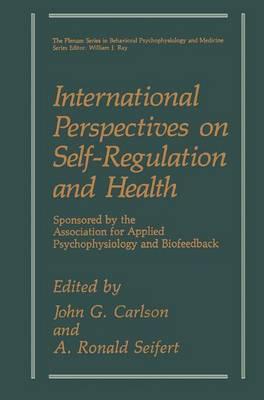
OverviewAn attractive feature of self-regulation therapies is that, instead of doing something to the patients, they teach them to do something for them selves. Furthermore, the fact that the patient is able to do something to cope with his or her health problem can produce a significant reduction in the stress that may have contributed to that problem and in the additional stress that it produces. While the idea that the mind can playa role in the health of the body and some therapeutic techniques based on this idea are not new, remarkable scientific advances have been made recently in the area of self-regulation and health. There has been an exciting and rapidly accel erating increase in our basic science knowledge of homeostasis, or, in other words, how the body regulates itself in order to maintain health. Technical and conceptual advances are increasing our knowledge of the details of such regulation at all levels-cells, tissues, organs, organ sys tems, and the body as a whole. We are learning how the competing demands of different elements at each of these levels are adjusted by the brain, which, with its neural and humoral mechanisms, is the supreme organ of integration of the body. Full Product DetailsAuthor: John G. Carlson , A. Ronald SeifertPublisher: Springer-Verlag New York Inc. Imprint: Springer-Verlag New York Inc. Edition: Softcover reprint of the original 1st ed. 1991 Dimensions: Width: 15.50cm , Height: 1.60cm , Length: 23.50cm Weight: 0.480kg ISBN: 9781489925985ISBN 10: 1489925988 Pages: 292 Publication Date: 06 June 2013 Audience: Professional and scholarly , Professional & Vocational Format: Paperback Publisher's Status: Active Availability: Manufactured on demand We will order this item for you from a manufactured on demand supplier. Table of Contents1 Introduction.- I. Cardiovascular and Central Disorders.- 2 Respiratory Mediation of Cardiac Function within a Psychophysiological Perspective.- 3 Environmental Stress and Myocardial Reactivity: Implications for Raynaud’s Disease.- 4 Self-Regulation of Slow Cortical Potentials and Its Role in Epileptogenesis.- 5 Low-Dimensional Chaos in a Simple Biological Model of Neocortex: Implications for Cardiovascular and Cognitive Disorders.- II. Neuromuscular Disorders.- 6 Control of Normal and Pathologic Cognitive Functions through Neuromuscular Circuits: Applications of Principles of Progressive Relaxation.- 7 Control of Convulsions by Inhibitory and Excitatory Neurotransmitter Receptor Regulators in Epileptic El Mice and Neuromuscular Junction-Blocked Rats.- 8 Fluency Enhancement in Stutterers: Advances in Self-Regulation through Sensory Augmentation.- III. Psychoneuroimmunology.- 9 Behavior in Autoimmune Mice.- 10 Behavioral Intervention and Disease: Possible Mechanisms.- 11 Altered Immunity through Behavioral Conditioning.- IV. Pain.- 12 Opioid Analgesia and Descending Systems of Pain Control.- 13 Gate Control Theory of Pain Perception: Current Status.- 14 Behavioral-Anatomical Studies of the Central Pathways Subserving Orofacial Pain.- 15 Neuropeptides and Nociception in the Spinal Cord.- 16 Evidence for the Role of the Cerebral Cortex in Acupuncture Analgesia.ReviewsAuthor InformationTab Content 6Author Website:Countries AvailableAll regions |
||||