|
|
|||
|
||||
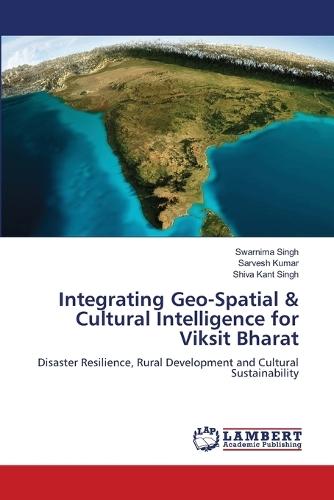
OverviewIntegrating Geo-Spatial Intelligence is a critical pillar in achieving Vikshit Bharat, as it strengthens disaster resilience, accelerates rural development, and preserves cultural sustainability. Geo-spatial technologies-such as satellite imagery, GIS, remote sensing, and spatial data analytics-enable informed decision-making by providing accurate, real-time, and location-based insights. In disaster resilience, geo-spatial intelligence plays a vital role in risk assessment, early warning systems, and emergency response planning. Mapping flood-prone zones, earthquake fault lines, and climate-vulnerable regions helps minimize loss of life and infrastructure, while supporting faster recovery and resilient rebuilding. For rural development, geo-spatial tools support efficient land-use planning, precision agriculture, water resource management, and infrastructure development. They help identify optimal locations for roads, irrigation, schools, and healthcare facilities, ensuring inclusive growth and better service delivery to rural populations. Farmers benefit through crop monitoring, soil analysis, and weather forecasting, leading to increased productivity and sustainability. Full Product DetailsAuthor: Swarnima Singh , Sarvesh Kumar , Shiva Kant SinghPublisher: LAP Lambert Academic Publishing Imprint: LAP Lambert Academic Publishing Dimensions: Width: 15.20cm , Height: 1.10cm , Length: 22.90cm Weight: 0.259kg ISBN: 9786209677441ISBN 10: 6209677444 Pages: 188 Publication Date: 25 March 2026 Audience: General/trade , General Format: Paperback Publisher's Status: Active Availability: Available To Order We have confirmation that this item is in stock with the supplier. It will be ordered in for you and dispatched immediately. Table of ContentsReviewsAuthor InformationTab Content 6Author Website:Countries AvailableAll regions |
||||