Overview
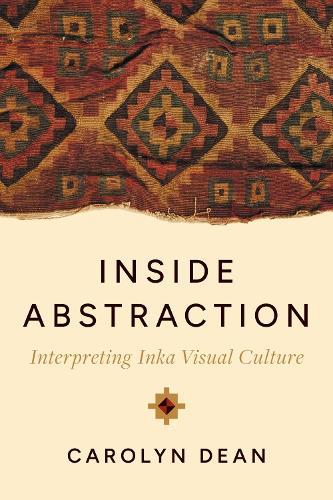
Illuminating the abstract art of the Inka, what it conveys about Inka values, and its relationship to those who view it. Inka visual culture is unusual in its tendency toward abstraction. Public stonework, vessels used at state feasts, garments worn by the imperial elite-these objects announcing status and power are adorned with geometric designs that refuse figuration. After searching in vain for hidden referents, many scholars have resigned themselves to the unsatisfying conclusion that the designs are merely decorative. Inside Abstraction develops a novel interpretation. Eminent art historian Carolyn Dean proposes that Inka geometries are neither ornamental nor coded depictions of other objects. Rather, Dean shows that in the Andean world, the designs were functionally self-aware, possessing perspectives of their own, quite literally looking back at and addressing viewers directly. Further, Dean contends that these agent-abstractions were teachers, conveying particular messages concerning social hierarchy: the relations among geometries and colors instructed viewers as to their own proper social relations. Inka designs thereby served imperial aims by wordlessly communicating the state’s values and demands for submission. Extensively illustrated and rigorously argued, Inside Abstraction is a dramatic step forward in our understanding of Inka art and political order.
Full Product Details
Author: Carolyn Dean, M.D.,N.D.
Publisher: University of Texas Press
Imprint: University of Texas Press
Weight: 0.454kg
ISBN: 9781477331965
ISBN 10: 1477331964
Pages: 312
Publication Date: 30 September 2025
Audience:
College/higher education
,
Postgraduate, Research & Scholarly
Format: Hardback
Publisher's Status: Active
Availability: Out of stock

The supplier is temporarily out of stock of this item. It will be ordered for you on backorder and shipped when it becomes available.
Reviews
""This brilliant new work by Dr. Carolyn Dean, now firmly established as the premier voice in art-based Inka visual culture studies, confidently and persuasively replaces outdated and highly ethnocentric (thoughtlessly outsider and colonial) notions of this famous ancient South American empire’s art. Acknowledging the fascinating worldview of Autonomous Andeans (those flourishing before the distorting European points of view intervened), she shows a deft understanding of the Andean philosophical and linguistic heritages. In short, Dean enlightens us as to the many levels of deep meaning embedded in non-image-based aesthetics, a topic of central importance. Travelers, students at all levels, those fascinated with the ancient Andes, and scholars in many fields will surely applaud Dean’s consummate scholarship as well as her bold and novel juxtaposition of the Inka with other world cultures in which the relational power of ‘abstract’ designs holds sway."" - Rebecca R. Stone, Professor and Curator Emeritus, Emory University
This brilliant new work by Dr. Carolyn Dean, now firmly established as the premier voice in art-based Inka visual culture studies, confidently and persuasively replaces outdated and highly ethnocentric (thoughtlessly outsider and colonial) notions of this famous ancient South American empire's art. Acknowledging the fascinating worldview of Autonomous Andeans (those flourishing before the distorting European points of view intervened), she shows a deft understanding of the Andean philosophical and linguistic heritages. In short, Dean enlightens us as to the many levels of deep meaning embedded in non-image-based aesthetics, a topic of central importance. Travelers, students at all levels, those fascinated with the ancient Andes, and scholars in many fields will surely applaud Dean's consummate scholarship as well as her bold and novel juxtaposition of the Inka with other world cultures in which the relational power of 'abstract' designs holds sway.--Rebecca R. Stone, Professor and Curator Emeritus, Emory University
Author Information
A Distinguished Professor Emerita of Art History and Visual Culture at the University of California, Santa Cruz, Carolyn Dean has also published Inka Bodies and the Body of Christ and the award-winning A Culture of Stone.