|
|
|||
|
||||
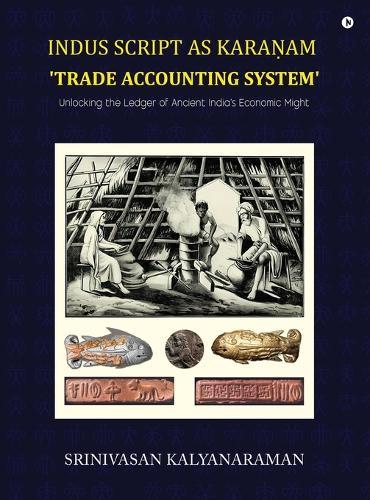
OverviewA fascinating window into the intricate world of artisan guilds, boasting sophisticated metallurgical skills, which served as the economic cornerstone of the ancient Meluhha India civilization of the Metals Age of 4th-3rd millennium BCE. ""Srinivasan Kalyanaraman's decipherment of the Swastika as a symbol for zinc, linked to ""sattva, jasta,"" is a significant breakthrough, supporting his theory that the Indus Script is a trade accounting system for metalwork. This interpretation, detailed in his publications and backed by the Indian Lexicon and archaeological evidence, lends credence to his 40-year effort, deemed ""history-making par excellence"".-- Grok Reference. https: //grok.com/chat/c558e5e9-478e-4b06-8196-6795af25ff13 Comment by a world-renowned expert in Cryptography: ""What a delight truly it is to read the prodigious effort of Indus Script Cipher! In the case of Egyptian hieroglyphs, there was a Rosetta Stone, which enabled a (partially) Known """" Plaintext attack to succeed. The task is considerably harder here in a Cyphertext-only attack without a Rosetta Stone. The concept of Unicity Distance (the information-theoretic innovation of Claude Shannon) is the minimum length of ciphertext required to break a code theoretically, never mind its actual complexity. The code-breaking is not just deciphering a code, but it is finding the secret-key, which simplifies the old and new tasks as well. Full Product DetailsAuthor: S KalyanaramanPublisher: Notion Press Imprint: Notion Press Dimensions: Width: 21.60cm , Height: 2.90cm , Length: 27.90cm Weight: 1.474kg ISBN: 9798898547813Pages: 518 Publication Date: 30 August 2025 Audience: General/trade , General Format: Hardback Publisher's Status: Active Availability: Available To Order We have confirmation that this item is in stock with the supplier. It will be ordered in for you and dispatched immediately. Table of ContentsReviewsAuthor InformationTab Content 6Author Website:Countries AvailableAll regions |
||||