Overview
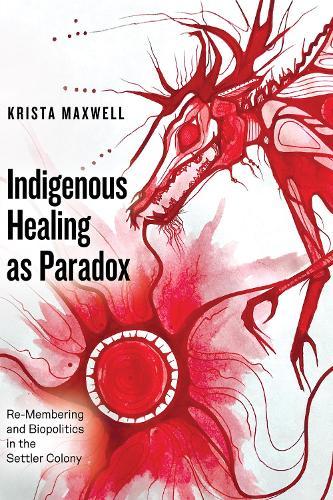
Indigenous healing is a paradox in the liberal settler colony where efforts to foster well-being can simultaneously undermine distinct Indigenous societies. This book examines the prominence of “Indigenous healing” in Canadian public discourse through a historical and ethnographic lens. It focuses on late twentieth-century Indigenous social histories in Treaty 3 territory and cities in northern and southern Ontario to show practices of re-membering—drawing on traditional ways of being and knowing for social repair and collective rejuvenation—against the backdrop of the social dismemberment of Indigenous Peoples. Expansion of re-membering is often enabled by tactical engagements with the settler state which have fuelled an Indigenized biopolitics from below. Maxwell offers an analysis of the possibilities, tensions, and risks inherent to these biopolitical tactics. Informed by Indigenous feminist scholarship that emphasizes relationality, care, and the everyday, as well as the intimate workings of settler colonialism, this book aims to enrich critical conversations about reconciliation and resurgence politics and challenge their perceived dichotomy.
Full Product Details
Author: Krista Maxwell (University of Toronto)
Publisher: University of Alberta Press
Imprint: University of Alberta Press
Dimensions:
Width: 15.20cm
, Height: 1.00cm
, Length: 22.90cm
Weight: 0.270kg
ISBN: 9781772125740
ISBN 10: 1772125741
Pages: 208
Publication Date: 04 March 2025
Audience:
Professional and scholarly
,
Professional & Vocational
Format: Paperback
Publisher's Status: Active
Availability: Available To Order

We have confirmation that this item is in stock with the supplier. It will be ordered in for you and dispatched immediately.
Reviews
""Indigenous Healing as Paradox is an important contribution to the historiography of Indigenous health and social wellbeing. Maxwell offers an important lens on the perils of adopting reconciliation and healing discourses that focus on historic injustices and the individual in need of treatment at the expense of ongoing systemic issues."" Kim Anderson, University of Guelph ""Maxwell is attentive to the complexities of Indigenous people's responses to the insidious violence of settler colonial intrusion and governance. Indigenous Healing as Paradox is an important book that takes an original stance."" Alexandra Widmer, York University
Author Information
Krista Maxwell is Associate Professor of Anthropology at the University of Toronto. A settler scholar, her research focuses on Indigenous social and political organizing around healing, care, and child welfare from the mid-twentieth century to the present. These interests are motivated by an analysis of the biopolitics of liberal settler colonialism as both a mode of assimilative governance and social dismemberment, and affording space for tactical Indigenous agency.