|
|
|||
|
||||
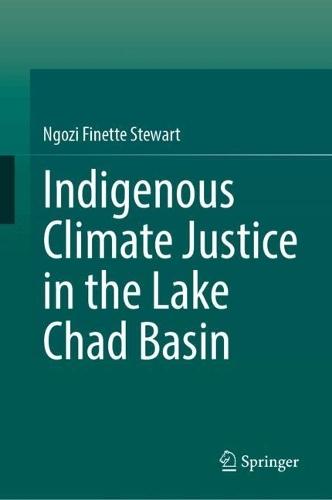
OverviewFull Product DetailsAuthor: Ngozi Finette StewartPublisher: Springer International Publishing AG Imprint: Springer International Publishing AG ISBN: 9783031877865ISBN 10: 3031877861 Pages: 156 Publication Date: 31 May 2025 Audience: Professional and scholarly , Professional & Vocational Format: Hardback Publisher's Status: Active Availability: Manufactured on demand We will order this item for you from a manufactured on demand supplier. Table of ContentsChapter 1. Introduction to Indigenous Climate Justice in the Lake Chad Basin.- Chapter 2. Historical Context and the Legacy of Colonialism.- Chapter 3. Traditional Ecological Wisdom and Modern Challenges.- Chapter 4. Current Environmental and Socioeconomic Challenges.- Chapter 5. Land Rights and Environmental Justice.- Chapter 6. Rethinking Climate Policies: A Decolonial Approach.- Chapter 7. Legal Protections and Indigenous Sovereignty.- Chapter 8. Indigenous Leadership in Climate Resilience.- Chapter 9. Partnerships and Collaboration for Climate Justice.- Chapter 10. Towards a Sustainable Future: Recommendations and Policy Implications.- Chapter 11. Conclusion.ReviewsAuthor InformationNgozi Finette Stewart is a professor of International Environmental Law, Policy and Ethics at the University of Benin, Nigeria. With over 15 years of experience, she focuses on climate justice, Indigenous rights, and environmental sustainability, especially in the Lake Chad Basin and the Sahel. She has worked with organizations like African Development Bank, United Nations Development Programme, International Fund for Agricultural Development and the Lake Chad Basin Commission (LCBC), helping to shape policies on climate adaptation and resource governance. In Indigenous Climate Justice in the Lake Chad Basin, she highlights how climate change affects Indigenous communities and offers solutions based on traditional knowledge and policy insights. Beyond research, she participates in international climate forums and grassroots advocacy, ensuring that Indigenous voices are heard in climate discussions. Tab Content 6Author Website:Countries AvailableAll regions |
||||