|
|
|||
|
||||
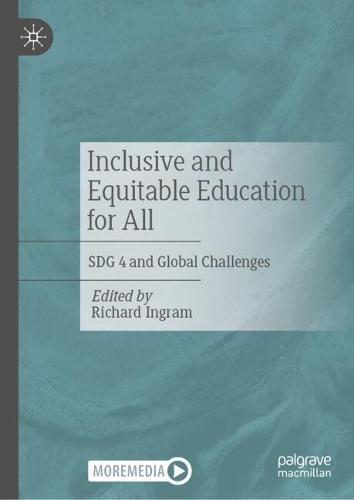
OverviewThis edited book brings together researchers, partners, Ministry staff, disability activists, teachers, and influential commentators to present a constructive dialogue around the opportunities associated with inclusive and equitable education. Contributors from the Global North and South draw on their own lived experiences of education systems to argue for transformative and meaningful change within them. By contextualising educational issues within the wider push for sustainable development, inclusive and equitable education is presented as not only an ethical necessity, but as a practical way to benefit every learner, to build more accepting societies, and to tackle key global challenges. This edition also includes an audio version of Chapter 1. Full Product DetailsAuthor: Richard IngramPublisher: Springer International Publishing AG Imprint: Palgrave Macmillan ISBN: 9783031964558ISBN 10: 3031964551 Pages: 214 Publication Date: 14 January 2026 Audience: Professional and scholarly , Professional & Vocational Format: Hardback Publisher's Status: Forthcoming Availability: Not yet available This item is yet to be released. You can pre-order this item and we will dispatch it to you upon its release. Table of ContentsChapter 1: Introduction.- Part 1: Why We All Need Inclusive Education.- Chapter 2: The Purpose of Education.- Chapter 3: The Benefits of Inclusive Education.- Chapter 4: Moving On From ‘Special Needs’.- Chapter 5: Diversity and Belonging in Inclusive Education Systems.- Chapter 6: Inclusive Education as a Tool to Tackle Climate Change.- Chapter 7: Hidden Curricula, School Culture and the Inclusion of All Learners.- Chapter 8: Inclusive Education as a Catalyst for Mindset Change.- Part 2: Transforming Education Systems.- Chapter 9: A Power and Systems Approach to Changing Education Systems.- Chapter 10: Headteachers as Changemakers in the Push for Inclusive Education.- Chapter 11: Teachers Are Key to Inclusion: They Need to Be Trained.- Chapter 12: Utilising the Principles of Universal Design to Foster Inclusive Schools.- Chapter 13: The Role of NGOs in Fostering Change and Promoting Inclusion.- Chapter 14: Working with Community Allies to Make School and Communities More Inclusive.- Chapter 15: Promoting the Sustainable Development Goals for a More Inclusive World.- Chapter 16: Conclusion.ReviewsAuthor InformationRichard Ingram is based at the School of Education at the University of Exeter, UK, where he specialises in inclusive education and systems thinking. He has also worked with high profile international organisations, including UNESCO, UNICEF, and the World Bank. Tab Content 6Author Website:Countries AvailableAll regions |
||||