|
|
|||
|
||||
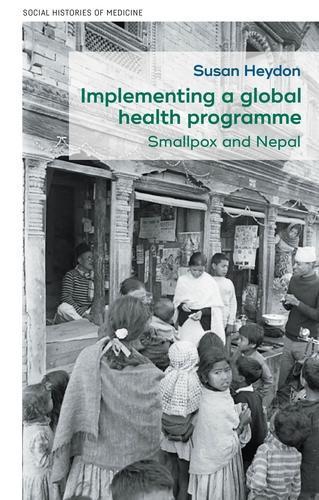
OverviewWorldwide eradication of the devastating viral disease of smallpox was devised as a distant global policy, but success depended on implementing a global vaccination programme within nation states. How this was achieved remains relevant and topical for responding to today's global communicable disease challenges. The small and poor Himalayan kingdom of Nepal faced enormous geographical and infrastructure challenges if it was going to succeed in a nationwide vaccination programme. This book acknowledges the key role of the WHO but disrupts the top-down, centre-led standard narrative. Against a background of widespread internal political and social change, Nepal's programme was expanded, effectively decentralised and a vaccination strategy introduced that aligned with people's beliefs. Few foreign personnel were involved. Full Product DetailsAuthor: Susan HeydonPublisher: Manchester University Press Imprint: Manchester University Press Dimensions: Width: 14.00cm , Height: 1.90cm , Length: 21.60cm Weight: 0.516kg ISBN: 9781526176660ISBN 10: 1526176661 Pages: 320 Publication Date: 18 February 2025 Audience: College/higher education , Professional and scholarly , General/trade , Postgraduate, Research & Scholarly , Professional & Vocational Format: Hardback Publisher's Status: Active Availability: Manufactured on demand We will order this item for you from a manufactured on demand supplier. Table of ContentsReviews“A rich, nuanced understanding of public health history… a must-read for anyone interested in a ground-level perspective on the global smallpox eradication campaign and in understanding the early influences and challenges that shaped Nepal’s modern healthcare system.” - SINHAS Journal -- . Author InformationSusan Heydon is an Associate Professor in Social Pharmacy at the University of Otago Tab Content 6Author Website:Countries AvailableAll regions |
||||