|
|
|||
|
||||
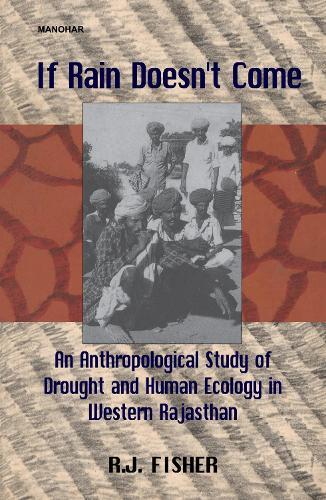
OverviewRainfall is very unreliable in western Rajasthan and drought and famine are frequent. Applying ecological-anthropological approaches, this study shows how different socio-economic and caste groups adopt different adaptive strategies for subsistence and demonstrate the inter-relationships between physical, social, economic and political factors in the human ecology of the region. Full Product DetailsAuthor: R.J. FisherPublisher: Manohar Publishers and Distributors Imprint: Manohar Publishers and Distributors Volume: No. 14 Dimensions: Width: 20.00cm , Height: 5.00cm , Length: 25.00cm ISBN: 9788173041846ISBN 10: 8173041849 Pages: 252 Publication Date: 01 June 1997 Audience: General/trade , College/higher education , Professional and scholarly , General , Undergraduate Format: Hardback Publisher's Status: Active Availability: In Print This item will be ordered in for you from one of our suppliers. Upon receipt, we will promptly dispatch it out to you. For in store availability, please contact us. Table of ContentsList of Tables List of Figures Preface Maps Chapter 1: Introduction 1 Chapter 2: Ecological Context 18 Chapter 3: Fieldsite: Hinganiya and the Surrounding Villages 44 Chapter 4: Castes and Caste Relationships 52 Chapter 5: Land Ownership: Caste and Economic Status 92 Chapter 6: Agriculture, Pastoralism and Household Economy 135 Chapter 7: Population Growth, Famine and Economic Growth 164 Chapter 8: Labour Demands and the Household 174 Chapter 9: Adapting to Drought: Beyond and Village 197 Chapter 10: Conclusion 217 Appendix 224 Bibliography 226ReviewsAuthor InformationR.J. (Bob) Fisher is an anthropologist with interests in ecological anthropology, natural resource management and rural development. He has done research and consultancy work in these fields in a number of countries, including India, Nepal, Pakistan, Iran and Laos. Tab Content 6Author Website:Countries AvailableAll regions |
||||