Overview
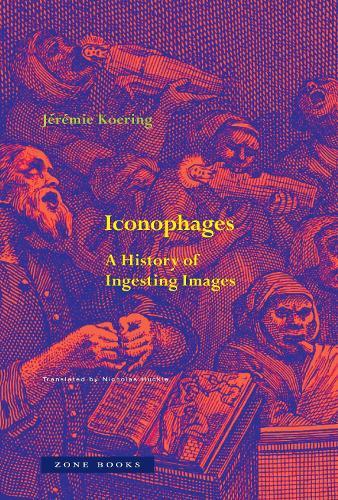
An unprecedented art-historical account of practices of image ingestion from ancient Egypt to the twentieth century Eating and drinking images may seem like an anomalous notion but, since antiquity, in the European and Mediterranean worlds, people have swallowed down frescoes, icons, engravings, eucharistic hosts stamped with images, heraldic wafers, marzipan figures, and other sculpted dishes. Either specifically made for human consumption or diverted from their original purpose so as to be ingested, these figured artifacts have been not only gazed upon but also incorporated-taken into the body-as solids or liquids. How can we explain such behavior? Why take an image into one's own body, devouring it at the risk of destroying it, consuming rather than contemplating it wisely from a distance? What structures of the imagination underlie and justify these desires for incorporation? What are the visual configurations offered up to the mouth, and what are their effects? What therapeutic, religious, symbolic, and social functions can we attribute to these forms of relations with icons? These are a few of the questions raised in this investigation into iconophagy. Iconophages aims to retrace, for the first time, the history of iconophagy. Jeremie Koering examines this unexplored facet of the history of images through an interdisciplinary approach that ranges across art history, cultural and material history, anthropology, philosophy, and the history of the body and the senses. He analyzes the human investment, in terms of culture and imagination, at stake in this seemingly paradoxical way of experiencing images. Beyond the hidden knowledge unearthed here, these pages bring to light a new way of understanding images, just as they illuminate the occasionally outlandish relations we maintain with them.
Full Product Details
Author: Jérémie Koering ,
Nicholas Huckle ,
Jonathan Crary
Publisher: Zone Books
Imprint: Zone Books
ISBN: 9781945861161
ISBN 10: 1945861169
Pages: 480
Publication Date: 20 January 2026
Audience:
General/trade
,
General
Format: Paperback
Publisher's Status: Active
Availability: In Print

This item will be ordered in for you from one of our suppliers. Upon receipt, we will promptly dispatch it out to you. For in store availability, please contact us.
Reviews
""A New York Times Best Art Book of the Year"" ""Koering treats his subject with scholarly rigor without losing his visceral delight in its inherent bizarreness. The result is a unique and fascinating consideration of the meaning and power of art, food, and ritual."" * Publishers Weekly * "". . . scrumptious . . .""---Jason Fargo, New York Times ""Koering recovers rich traces of a fundamental human quest: the effort to make contact with the divine. Whether pagan, Byzantine, or Western Christian, believers all pursued healing of the body and the spirit, and sought proximity to the sacred as best they could.""---Nicholas Huckle, London Review of Books ""Dense, well-researched. . . . [H]idden beneath entertaining but obscure references to licking, bathing religious icons (and drinking the bathwater), grinding relics into powder and eating them, and other fun esophageal tales, is a story about the cultural evolution of the mind-body complex.""---Claudia Hart, Hyperallergic
""A New York Times Best Art Book of the Year"" ""Koering treats his subject with scholarly rigor without losing his visceral delight in its inherent bizarreness. The result is a unique and fascinating consideration of the meaning and power of art, food, and ritual."" * Publishers Weekly * "". . . scrumptious . . .""---Jason Fargo, New York Times ""Koering recovers rich traces of a fundamental human quest: the effort to make contact with the divine. Whether pagan, Byzantine, or Western Christian, believers all pursued healing of the body and the spirit, and sought proximity to the sacred as best they could.""---Alexander Bevilacqua, London Review of Books ""Dense, well-researched. . . . [H]idden beneath entertaining but obscure references to licking, bathing religious icons (and drinking the bathwater), grinding relics into powder and eating them, and other fun esophageal tales, is a story about the cultural evolution of the mind-body complex.""---Claudia Hart, Hyperallergic
Author Information
Jeremie Koering is professor of early modern art history at the University of Fribourg. He is the author of Leonard de Vinci: Dessins et Peintures; Le Prince en representation: Histoire des decors du palais ducal de Mantoue au XVIe siecle; and Caravage, juste un detail.