|
|
|||
|
||||
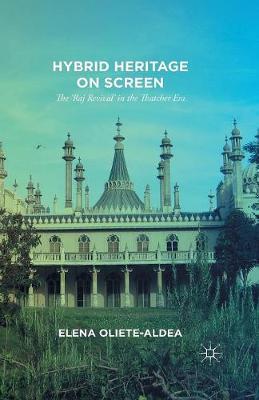
OverviewHybrid Heritage on Screen provides a long overdue thorough analysis of the 1980s 'Raj Revival'. It examines imperial nostalgia and troubled ethnic, gender and class relations during the Thatcher Era as represented in cinema and television. Full Product DetailsAuthor: E. Oliete-Aldea , E Oliete-AldeaPublisher: Palgrave Macmillan Imprint: Palgrave Macmillan Edition: 1st ed. 2015 Weight: 0.454kg ISBN: 9781349690633ISBN 10: 1349690635 Pages: 227 Publication Date: 14 February 2018 Audience: Professional and scholarly , Professional & Vocational Format: Paperback Publisher's Status: Active Availability: Manufactured on demand We will order this item for you from a manufactured on demand supplier. Table of ContentsAcknowledgements Introduction 1. The Porosity of Identity Boundaries 2. Britain in the 1980s: The Thatcher Decade 3. British Cinema and the Raj Revival 4. 'On Heroes': Bapu Goes West 5. History in Literary Adaptations 6. The Raj on TV Conclusion: Cohabiting In Hybridity? Appendix. Selected Filmography References IndexReviews'Interweaving the colonial and the post-colonial, this new book examines key cinematic and TV texts, as well as literature about the British Raj that makes it to the British screens in the 1980s through an engaging and nuanced interrogation of heritage and hybridity. This is a fine piece of scholarship that efficiently crosses boundaries from film and cultural studies to social and cultural history.' - Rajinder Dudrah, University of Manchester, UK 'Elena Oliete-Aldea provides a meticulous analysis of the British Raj productions of the Thatcher decade. She cogently argues that these highly popular films and TV series promoted a 'lost' British identity while simultaneously acting as a commodification of the nation's cultural heritage. Oliete-Aldea's valuable study will be of great interest to scholars and students of postcolonial studies.' - Felicity Hand, Autonomous University of Barcelona, Spain Author InformationElena Oliete-Aldea is Lecturer at the Department of English of the University of Zaragoza, Spain. She belongs to several research groups on film and cultural studies and her main areas of interest include filmic representations of cultural identities and international relationships in the context of globalisation in transnational Anglophone cinema. Tab Content 6Author Website:Countries AvailableAll regions |
||||