|
|
|||
|
||||
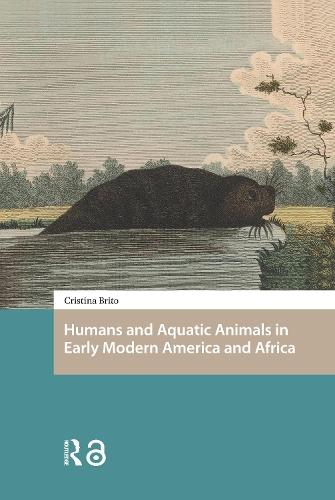
OverviewThis book deals with peoples’ practices, perceptions, emotions and feelings towards aquatic animals, their ecosystems and nature on the early modern Atlantic coasts by addressing exploitation, use, fear, empathy, otherness, and indifference in the relationships established with aquatic environments and resources by Indigenous Peoples and Europeans. It focuses on large aquatic fauna, especially manatees (but also sharks, sea turtles, seals, and others) as they were hunted, consumed, venerated, conceptualised, and recorded by different societies across the early colonial Americas and West Africa. Through a cross-cultural approach drawing on concepts and analytical methods from marine environmental history, the blue humanities and animal studies, this book addresses more-than-human systems where ecologies, geographies, cosmogonies, and cultures are an entangled web of interdependencies. Full Product DetailsAuthor: Cristina BritoPublisher: Taylor & Francis Ltd Imprint: Routledge ISBN: 9781041181101ISBN 10: 1041181108 Pages: 270 Publication Date: 09 January 2026 Audience: Professional and scholarly , Professional & Vocational Format: Paperback Publisher's Status: Active Availability: Manufactured on demand We will order this item for you from a manufactured on demand supplier. Table of ContentsAcknowledgements, Introduction: Magnificent and mighty monsters of nature, 1. The case of Matto, the manatee, A Manatee in a Lake, 2. Cosmogonies, aquatic deities, and water myths of origin, (My) Mermaid of the Island, 3. Aquatic monsters: From imaginary animals to sharks, caimans and sea lions, 4. Beliefs about and practices in nature: From living creatures to resources and symbols, Water Wor(l)ds, 5. (Early) modern 'naturecultures': A co-constructed narrative of the world, The Roundness of Earth and Time, Index.Reviews“In this recent book, biologist and environmental historian Cristina Brito explores the early-modern Atlantic spaces of cross-cultural interspecies interactions from a global Portuguese perspective. In her account, aquatic animals were at once resources, partners, and symbols in the context of early American-European and African encounters and clashes, when Iberian conquerors crossed the Oceans and set in communication continents that had been previously separated. Her aim is to contribute to Anthropocene humanities’ multidisciplinarity by looking at the many agencies of history-making […] Indeed, extinction and the extirpation of future generations – human and nonhuman alike – marks the tragedy of the Anthropocene. But since human relations with their environments and other species are not only destructive, as they are revealing of strong ties of care and empathy as well, Brito’s retrospective glance on historical water-cultures also opens up the possibility to imagine a different, more sustainable future.” -- Pietro Daniel Omodeo, in Lagoonscapes, no. 1 (21 July 2025) Author InformationCristina Brito is an Associate Professor at the History Department at NOVA FCSH, Lisbon, and researcher at CHAM - Center for the Humanities. She is one of the PIs of the ERC Synergy Grant 4-OCEANS: Human History of Marine Life, and of two EEA Grants Bilateral Funds Initiatives. Tab Content 6Author Website:Countries AvailableAll regions |
||||