|
|
|||
|
||||
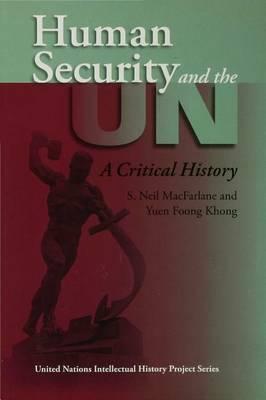
OverviewHow did the individual human being become the focus of the contemporary discourse on security? What was the role of the United Nations in securing the individual? What are the payoffs and costs of this extension of the concept? Neil MacFarlane and Yuen Foong Khong tackle these questions by analyzing historical and contemporary debates about what is to be secured. From Westphalia through the 19th century, the state's claim to be the object of security was sustainable because it offered its subjects some measure of protection. The state's ability to provide security for its citizens came under heavy strain in the 20th century as a result of technological, strategic, and ideological innovations. By the end of World War II, efforts to reclaim the security rights of individuals gathered pace, as seen in the Universal Declaration of Human Rights and a host of United Nations covenants and conventions. MacFarlane and Khong highlight the UN's work in promoting human security ideas since the 1940s, giving special emphasis to its role in extending the notion of security to include development, economic, environmental, and other issues in the 1990s. Full Product DetailsAuthor: S. Neil MacFarlane , Yuen Foong KhongPublisher: Indiana University Press Imprint: Indiana University Press ISBN: 9780253111999ISBN 10: 0253111994 Pages: 369 Publication Date: December 2006 Audience: Professional and scholarly , Professional & Vocational Format: Electronic book text Publisher's Status: Active Availability: Not yet available This item is yet to be released. You can pre-order this item and we will dispatch it to you upon its release. Table of ContentsReviewsAuthor InformationTab Content 6Author Website:Countries AvailableAll regions |
||||