|
|
|||
|
||||
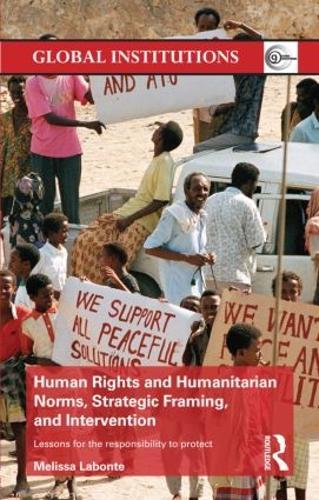
OverviewThe human rights and humanitarian landscape of the modern era has been littered with acts that have shocked the moral conscience of mankind, and there has been wide variation in whether, how, and to what degree states respond to mass atrocity crimes, even when they share similar characteristics. In many cases concerned states responded, either through moral suasion; gentle or coercive diplomacy; or other non-forcible measures, to prevent or halt the indiscriminate human rights violations that were occurring. In others, states simply turned away and left the vulnerable to their fate. And still yet in other cases, states responded robustly, using military force to stop the atrocities and save lives. This book seeks to examine the effects of strategic framing in U.S. and UN policy arenas to draw conclusions regarding whether and how the human rights and humanitarian norms embedded within such frames resonated with decision-makers and, in turn, how they shaped variation in levels of political will concerning humanitarian intervention in three cases that today would qualify as Responsibility to Protect (R2P) cases: Somalia, Rwanda, and Sierra Leone. Labonte concludes that in order for humanitarian interventions to stand a higher likelihood of being effective, states advocating in support of such actions must find a way to persuade policymakers by appealing to both the logic of consequences (which rely on material and pragmatic considerations) and logic of appropriateness (which rely on normatively appropriate considerations) – and strategic framing may be one path to achieve this outcome. Offering a detailed and examination of three key cases and providing some an original and important contribution to the field this work will be of great interest to students and scholars alike. Full Product DetailsAuthor: Melissa Labonte (Fordham University, USA)Publisher: Taylor & Francis Ltd Imprint: Routledge Dimensions: Width: 13.80cm , Height: 1.90cm , Length: 21.60cm Weight: 0.600kg ISBN: 9780415621601ISBN 10: 0415621607 Pages: 240 Publication Date: 18 December 2012 Audience: College/higher education , Postgraduate, Research & Scholarly , Undergraduate Format: Hardback Publisher's Status: Active Availability: In Print This item will be ordered in for you from one of our suppliers. Upon receipt, we will promptly dispatch it out to you. For in store availability, please contact us. Table of ContentsIntroduction 1. Contemporary humanitarian intervention in theory and practice 2. Making a good argument and mobilizing political will 3. Human intervention in Somalia 4. Failure to intervene in Rwanda 5. Mixed intervention in Sierra Leone 6. Strategic framing, norms, and civilian protection: can R2P succeed where humanitarian intervention has failed?ReviewsAuthor InformationMelissa Labonte is assistant professor of political science at Fordham University. Tab Content 6Author Website:Countries AvailableAll regions |
||||