|
|
|||
|
||||
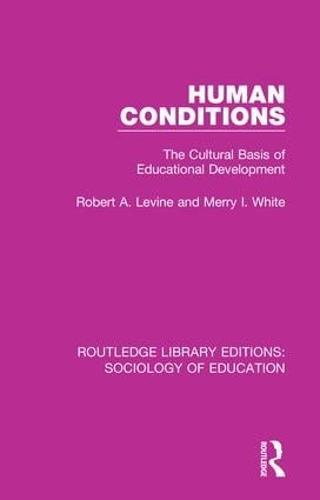
OverviewFirst published in 1986, this book proposes and illustrates a new approach to the comparative analysis of educational policy, based on anthropological and historical inquiry. It reviews the transitions of Western countries, Japan, and the People’s Republic of China and in doing so investigates cultural ideas of human potential and how they inform social and economic goals of education. An analysis of the problems and emerging patterns in developing countries reveals how and why the meanings of life for the majority of their populations were still influenced by agrarian cultural models, even after the introduction of new educational and occupational careers. In place of universalistic economic models and homogenous modernization strategies, the authors propose that culture-specific meanings of education are determined by each country’s particular transition from its agrarian past to its socio-economic conditions at the time. They argue that change in educational development has been as varied in ends, means and significance outcomes as the cultures in which it has occurred and point to the need for a deeper understanding of cultural contexts in which policy choices and development plans are made. Full Product DetailsAuthor: Robert A Levine , Merry WhitePublisher: Taylor & Francis Ltd Imprint: Routledge Volume: 32 Weight: 0.630kg ISBN: 9780415790147ISBN 10: 041579014 Pages: 256 Publication Date: 28 April 2017 Audience: College/higher education , Postgraduate, Research & Scholarly , Undergraduate Format: Hardback Publisher's Status: Active Availability: In Print This item will be ordered in for you from one of our suppliers. Upon receipt, we will promptly dispatch it out to you. For in store availability, please contact us. Table of ContentsReviewsAuthor InformationRobert A Levine, Merry White Tab Content 6Author Website:Countries AvailableAll regions |
||||