|
|
|||
|
||||
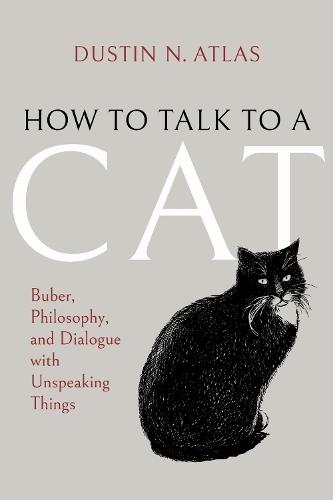
OverviewGuided by the philosophical insights of Jewish philosopher Martin Buber, How to Talk to a Cat explores the possibility of dialogue beyond the boundaries of spoken language. Original and effective in its interdisciplinary scope, this book ventures into the complexities of engaging in meaningful dialogue with creatures that do not use verbal communication, focusing on unspeaking beings we encounter in the domestic sphere: cats, babies, plants, and tools, among others. Author Dustin N. Atlas distinguishes between talking to entities in a direct, second-person dialogue, talking about them in a third-person analytical mode, and focusing on how the former is possible in the absence of speech. While many discussions of Buber's philosophy have focused on the I-You relationship, How to Talk to a Cat emphasizes the dynamic processes of dialogue that take place over time where attention, rather than presence, is central. Raising questions about the nature of understanding, cohabitation, and the possibility of connection across different beings, Atlas encourages readers to look more closely at their present life, to reconsider the scope of dialogue and extend it beyond the human to include the silent relationships we share with the world around us. Bringing Jewish thought into conversation with contemporary philosophy, ethology, animal studies, and critical theory, How to Talk to a Cat challenges prevailing assumptions about the limitations of dialogue and expands on the nature of understanding, cohabitation, and the possibility of connection across types of beings. Full Product DetailsAuthor: Dustin N. AtlasPublisher: Indiana University Press Imprint: Indiana University Press ISBN: 9780253075765ISBN 10: 0253075769 Pages: 172 Publication Date: 31 March 2026 Audience: Professional and scholarly , Professional & Vocational Format: Hardback Publisher's Status: Active Availability: Not yet available This item is yet to be released. You can pre-order this item and we will dispatch it to you upon its release. Table of ContentsAcknowledgments Introduction: Dialogue and the Maintenance of Domestic Bubbles 1. Homes: Domesticity and Conflict 2. Animals, Communication and Language 3. Domestic Cats: Anxiety and Singularity 4. Plants: Dispersion and Surfaces 5. Babies: Noise and the Nursery 6. Sensuality: Tools, Crafts, Decoration Conclusion: Death and Dialogue Notes Bibliography IndexReviewsAuthor InformationDustin N. Atlas is Director of Jewish Studies and Associate Professor in the School of Religion at Queen's University. He specializes in contemporary Jewish thought and aesthetics, especially works that concern imperfection, gossip, and non-human creatures. Tab Content 6Author Website:Countries AvailableAll regions |
||||