|
|
|||
|
||||
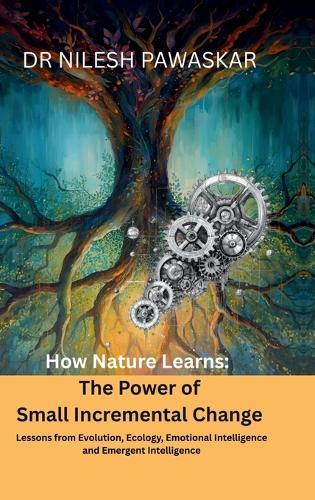
OverviewAmong nature's newest experiments, plastic-eating bacteria offer a striking view of evolution in motion. Synthetic polymers, once beyond the reach of decay, have become food for microbes that evolved enzymes to break them down. Mutation, pressure, and cooperation turned pollution into pedagogy-life learning from its own disruption. These invisible chemists remind humanity that evolution is not history but a living intelligence, rewriting itself even within the refuse of civilization. The Slow Genius of Nature Across billions of years, nature has learned how to build complexity from simplicity. It has transformed barren rock into forests, hydrogen into stars, and chaos into order. Yet its method is almost insultingly simple: small, incremental change. Nature never rushes. It doesn't design in the human sense. Instead, it iterates. Every cell division, every mutation, every adaptation is a micro-experiment in survival. Some of those experiments fail quietly. Others succeed and become the foundation for future possibilities. Out of these slow adjustments arises everything we know - wings, eyes, coral reefs, brains, and consciousness itself. In this book, we'll explore how nature learns: how it remembers, adapts, and refines itself without intention. Full Product DetailsAuthor: Dr Nilesh PawaskarPublisher: Notion Press Imprint: Notion Press Dimensions: Width: 15.20cm , Height: 1.40cm , Length: 22.90cm Weight: 0.417kg ISBN: 9798901127902Pages: 184 Publication Date: 05 November 2025 Audience: General/trade , General Format: Hardback Publisher's Status: Active Availability: Available To Order We have confirmation that this item is in stock with the supplier. It will be ordered in for you and dispatched immediately. Table of ContentsReviewsAuthor InformationTab Content 6Author Website:Countries AvailableAll regions |
||||