Overview
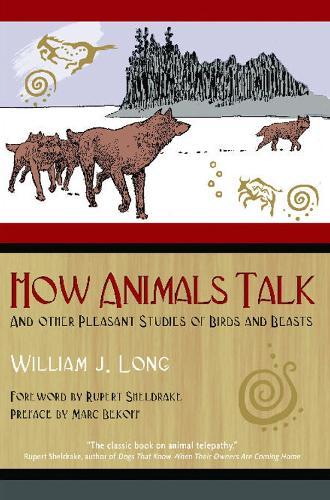
The classic and original text that first explored the telepathic methods of communication of wild animals • Based on years of detailed field observations, first published in 1919 • Written by the famous American naturalist who was the first to study telepathy in the wild • Forewords by biologists Rupert Sheldrake, who has spent 15 years researching the unexplained powers of animals, and Marc Bekoff, the editor of the three-volume Encyclopedia of Animal Behavior Many sources have commented on the silent communication abilities of pets, but never before and not since the first publication of this book in 1919 has the subject of animal telepathy in the wild been so fully researched. How Animals Talk explores the phenomenon of vocal, silent, and even motionless communication among animals. From crow talk to instant herd communication, author William J. Long theorizes that animals are much more intelligent, emotional, and moral than we have traditionally thought and that their ability to sense the presence of other living beings is an innate ability shared by humans as well. Based on many years of field observations, this classic text contains numerous examples of animal behavior that defy conventional explanation. Long believed in the importance and validity of anecdotal evidence. He recognized the dangers of conventional research in reducing animals to mere numbers and how the cold third-person prose of scientific study can objectify animals, distancing ""us"" from ""them."" His findings on the impact of our presence on animal life--and the cost that we pay in separating ourselves from animals, who help define our place in the natural world--may be more relevant today than ever before.
Full Product Details
Author: William J. Long ,
Rupert Sheldrake ,
Marc Bekoff
Publisher: Inner Traditions Bear and Company
Imprint: Bear & Company
Edition: New Edition of the Classic
Dimensions:
Width: 15.20cm
, Height: 1.50cm
, Length: 22.90cm
Weight: 0.431kg
ISBN: 9781591430568
ISBN 10: 1591430569
Pages: 312
Publication Date: 23 August 2005
Audience:
General/trade
,
General
Format: Paperback
Publisher's Status: No Longer Our Product
Availability: Awaiting stock

The supplier is currently out of stock of this item. It will be ordered for you and placed on backorder. Once it does come back in stock, we will ship it out for you.
Reviews
The classic book on animal telepathy. * Rupert Sheldrake, author of Dogs that Know When Their Owners Are Coming Home * . . . demonstrates a Gaian sensibility that will certainly resonate in the hearts and minds of modern pagans. . . . This book is highly recommended. * Barbara Ardinger, Facing North, Jan 2007 * In a time when the closest thing to reading natural signals is to correctly anticipate when the light will turn green, Long offers a refreshing visit to the natural world right outside your window. * Spirit of Change, Winter 2006 * Keen observation, patience curiosity, and detailed descriptions are key to Long's anecdotal evidence about the behavior of various animals; wolves, mink, fox, and several variety of birds. His technique is exactly what has been advocated by field biologists today. Whether or not the reader agrees with him on the subject of animal telepathy, the book is full of insight that rings true for anyone who has lived with or made a study of the animal kingdom. * Pamela Crossland, TCM Reviews * William Long presages numerous areas that are 'hot topics' in the study of animal behavior and discusses a staggering array of animals. His refreshing and open view of animal behavior shows how much we really do know about animal emotions and consciousnesss when we open our hearts to the amazing and mysterious animal beings with whom we share the Earth. * Marc Bekoff, editor of the three-volume Encyclopedia of Animal Behavior *
. . . demonstrates a Gaian sensibility that will certainly resonate in the hearts and minds of modern pagans. . . . This book is highly recommended. --Barbara Ardinger, Facing North , Jan 2007
Keen observation, patience curiosity, and detailed descriptions are key to Long's anecdotal evidence about the behavior of various animals; wolves, mink, fox, and several variety of birds. His technique is exactly what has been advocated by field biologists today. Whether or not the reader agrees with him on the subject of animal telepathy, the book is full of insight that rings true for anyone who has lived with or made a study of the animal kingdom.
Author Information
William J. Long (1867-1952) was an American United Church of Christ minister and a well-known naturalist of the early 20th century. He is the author of over 20 books, including School of the Woods, Secrets of the Woods, and Brier-Patch Philosophy.