|
|
|||
|
||||
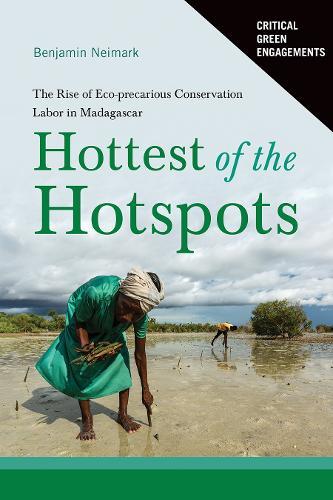
OverviewContinually recognized as one of the “hottest” of all the world’s biodiversity hotspots, the island of Madagascar has become ground zero for the most intensive market-based conservation interventions on Earth. This book details the rollout of market conservation programs, including the finding of drugs from nature—or “bioprospecting”—biodiversity offsetting, and the selling of blue carbon credits from mangroves. It documents the tensions that exist at the local level, as many of these programs incorporate populations highly dependent on the same biodiversity now turned into global commodities for purposes of saving it. Proponents of market conservation mobilize groups of ecologically precarious workers, or the local “eco-precariat,” who do the hidden work of collecting and counting species, monitoring and enforcing the vital biodiversity used in everything from drug discovery to carbon sequestration and large mining company offsets. Providing a voice for those community workers many times left out of environmental policy discussions, this volume proposes critiques that aim to build better conservation interventions with perspectives of the local eco-precariat. Full Product DetailsAuthor: Benjamin NeimarkPublisher: University of Arizona Press Imprint: University of Arizona Press ISBN: 9780816556649ISBN 10: 0816556644 Pages: 240 Publication Date: 31 October 2025 Audience: Professional and scholarly , Professional & Vocational Format: Paperback Publisher's Status: Active Availability: Temporarily unavailable The supplier advises that this item is temporarily unavailable. It will be ordered for you and placed on backorder. Once it does come back in stock, we will ship it out to you. Table of ContentsReviewsAuthor InformationBenjamin Neimark is a senior lecturer at the School of Business and Management and a fellow at the Institute for the Humanities and Social Sciences (IHSS) at Queen Mary University of London. He is a human geographer and political ecologist whose research focuses on politics of biological conservation and natural resource extraction. Tab Content 6Author Website:Countries AvailableAll regions |
||||