Overview
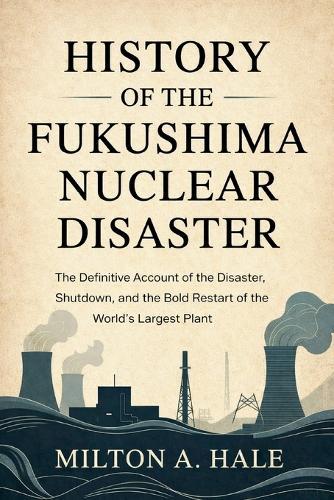
History of the Fukushima Nuclear Disaster: The Definitive Account of the Disaster, Shutdown, and the Bold Restart of the World's Largest Plant In the wake of Japan's decision to restart the Kashiwazaki-Kariwa nuclear power plant, this book traces the nation's complex relationship with atomic energy, from its postwar embrace to the lingering shadows of the 2011 Fukushima disaster. The book begins with the origins of nuclear power in Japan, examining how postwar energy policies led to the adoption of atomic technology and the rapid expansion of reactor infrastructure across the archipelago. As seismic vulnerabilities emerged, the 2011 Tohoku earthquake and tsunami exposed the fragility of these systems, with detailed accounts of the seismic event, coastal devastation, and the immediate loss of life that changed entire communities. The crisis at Fukushima Daiichi unfolded through power failures, reactor meltdowns, and uncontrolled radiation releases, forcing evacuations that displaced hundreds of thousands and disrupted families in profound ways. Environmental repercussions included widespread contamination, ongoing water management challenges, and heightened health risks for residents in affected areas. In contrast, government responses included sweeping shutdowns, regulatory overhauls, and efforts to hold operators such as TEPCO accountable. Economic shifts followed, as Japan turned to imported fossil fuels, driving up costs and carbon emissions amid a push for energy security. Public sentiment evolved dramatically in the aftermath, with polls reflecting widespread opposition, anti-nuclear protests gaining momentum, and survivor stories revealing personal hardships that fueled national debates. The path toward revival involved rigorous safety upgrades, incremental reactor approvals, and policy changes under successive leaders, culminating in the recent reactivation of Kashiwazaki-Kariwa amid local assembly decisions and TEPCO's preparations. Technological enhancements, such as reinforced seawalls and emergency protocols, are intended to mitigate future risks. At the same time, Japan's energy strategy now integrates net-zero ambitions, renewable energy expansion, and accommodations for the growing demand of data centers. The book concludes by considering the implications for Japan's nuclear trajectory and by drawing global insights from Fukushima's lessons, offering a measured perspective on energy needs with safety imperatives in a seismically active region.
Full Product Details
Author: Milton A Hale
Publisher: Independently Published
Imprint: Independently Published
Dimensions:
Width: 15.20cm
, Height: 0.80cm
, Length: 22.90cm
Weight: 0.213kg
ISBN: 9798241119032
Pages: 154
Publication Date: 24 December 2025
Audience:
General/trade
,
General
Format: Paperback
Publisher's Status: Active
Availability: Available To Order

We have confirmation that this item is in stock with the supplier. It will be ordered in for you and dispatched immediately.