Overview
Product information not available.
Full Product Details
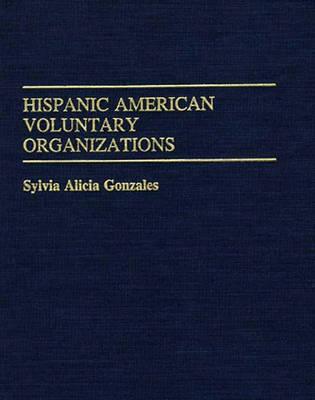
Author: Sylvia Gonzales
Publisher: Bloomsbury Publishing Plc
Imprint: Greenwood Press
Dimensions:
Width: 15.60cm
, Height: 1.70cm
, Length: 23.40cm
Weight: 0.584kg
ISBN: 9780313209499
ISBN 10: 0313209499
Pages: 267
Publication Date: 24 October 1985
Recommended Age: From 7 to 17 years
Audience:
College/higher education
,
General/trade
,
Postgraduate, Research & Scholarly
,
General
Format: Hardback
Publisher's Status: Active
Availability: Manufactured on demand

We will order this item for you from a manufactured on demand supplier.
Reviews
Gonzales's work is the 'first major attempt to compile a historical dictionary of Hispanic organizations.' Based upon data gathered from mailed questionnaires, its focus is on the three major Hispanic groups as identified by the author--Mexican Americans, Puerto Ricans, and Cuban Americans. Arranged alphabetically (without entry numbers), each entry, of one to two pages in length, provides the history, purpose, goals, organizational structure, activities, and accomplishments for close to 200 national and local groups. Sources consulted for writing each entry are also given. An introductory essay presents the rationale for creation of this resource and a historical overview of Hispanic organizations in the US. The work concludes with three appendixes (geographical list of organizations, historical chronology for the three major groups, and list of organizations by function or activity). An author and subject index is also included. This graphically attractive, well-organized book will be useful to reference librarians, government agencies, and those interested in political science, social science, ethnic studies, American studies, and Latin American Studies. -Choice [This volume] lists alphabetically 'primarily Mexican American, Puerto Rican, and Cuban' organizations in the U.S. and provides authoritative and readable descriptions ranging from a few lines to several paragraphs. There are three appendixes: a list, by state, of identified' organizations . . .; a chronology, listing not only events related to the organizations covered but relevant events in general history (thus setting the scene and functioning as a kind of chronological index); and an index to 'organizational functions.' . . . The book concludes with a combined index to subjects and personal and organizational names. This directory will be of interest to libraries supporting Hispanic American studies and to public and state libraries with Hispanic clienteles. -Reference Books Bulletin �This volume� lists alphabetically 'primarily Mexican American, Puerto Rican, and Cuban' organizations in the U.S. and provides authoritative and readable descriptions ranging from a few lines to several paragraphs. There are three appendixes: a list, by state, of identified' organizations . . .; a chronology, listing not only events related to the organizations covered but relevant events in general history (thus setting the scene and functioning as a kind of chronological index); and an index to 'organizational functions.' . . . The book concludes with a combined index to subjects and personal and organizational names. This directory will be of interest to libraries supporting Hispanic American studies and to public and state libraries with Hispanic clienteles. -Reference Books Bulletin ?[This volume] lists alphabetically 'primarily Mexican American, Puerto Rican, and Cuban' organizations in the U.S. and provides authoritative and readable descriptions ranging from a few lines to several paragraphs. There are three appendixes: a list, by state, of identified' organizations . . .; a chronology, listing not only events related to the organizations covered but relevant events in general history (thus setting the scene and functioning as a kind of chronological index); and an index to 'organizational functions.' . . . The book concludes with a combined index to subjects and personal and organizational names. This directory will be of interest to libraries supporting Hispanic American studies and to public and state libraries with Hispanic clienteles.?-Reference Books Bulletin ?Gonzales's work is the 'first major attempt to compile a historical dictionary of Hispanic organizations.' Based upon data gathered from mailed questionnaires, its focus is on the three major Hispanic groups as identified by the author--Mexican Americans, Puerto Ricans, and Cuban Americans. Arranged alphabetically (without entry numbers), each entry, of one to two pages in length, provides the history, purpose, goals, organizational structure, activities, and accomplishments for close to 200 national and local groups. Sources consulted for writing each entry are also given. An introductory essay presents the rationale for creation of this resource and a historical overview of Hispanic organizations in the US. The work concludes with three appendixes (geographical list of organizations, historical chronology for the three major groups, and list of organizations by function or activity). An author and subject index is also included. This graphically attractive, well-organized book will be useful to reference librarians, government agencies, and those interested in political science, social science, ethnic studies, American studies, and Latin American Studies.?-Choice
"?[This volume] lists alphabetically 'primarily Mexican American, Puerto Rican, and Cuban' organizations in the U.S. and provides authoritative and readable descriptions ranging from a few lines to several paragraphs. There are three appendixes: a list, by state, of identified' organizations . . .; a chronology, listing not only events related to the organizations covered but relevant events in general history (thus setting the scene and functioning as a kind of chronological index); and an index to 'organizational functions.' . . . The book concludes with a combined index to subjects and personal and organizational names. This directory will be of interest to libraries supporting Hispanic American studies and to public and state libraries with Hispanic clienteles.?-Reference Books Bulletin ?Gonzales's work is the 'first major attempt to compile a historical dictionary of Hispanic organizations.' Based upon data gathered from mailed questionnaires, its focus is on the three major Hispanic groups as identified by the author--Mexican Americans, Puerto Ricans, and Cuban Americans. Arranged alphabetically (without entry numbers), each entry, of one to two pages in length, provides the history, purpose, goals, organizational structure, activities, and accomplishments for close to 200 national and local groups. Sources consulted for writing each entry are also given. An introductory essay presents the rationale for creation of this resource and a historical overview of Hispanic organizations in the US. The work concludes with three appendixes (geographical list of organizations, historical chronology for the three major groups, and list of organizations by function or activity). An author and subject index is also included. This graphically attractive, well-organized book will be useful to reference librarians, government agencies, and those interested in political science, social science, ethnic studies, American studies, and Latin American Studies.?-Choice ""�This volume� lists alphabetically 'primarily Mexican American, Puerto Rican, and Cuban' organizations in the U.S. and provides authoritative and readable descriptions ranging from a few lines to several paragraphs. There are three appendixes: a list, by state, of identified' organizations . . .; a chronology, listing not only events related to the organizations covered but relevant events in general history (thus setting the scene and functioning as a kind of chronological index); and an index to 'organizational functions.' . . . The book concludes with a combined index to subjects and personal and organizational names. This directory will be of interest to libraries supporting Hispanic American studies and to public and state libraries with Hispanic clienteles.""-Reference Books Bulletin ""[This volume] lists alphabetically 'primarily Mexican American, Puerto Rican, and Cuban' organizations in the U.S. and provides authoritative and readable descriptions ranging from a few lines to several paragraphs. There are three appendixes: a list, by state, of identified' organizations . . .; a chronology, listing not only events related to the organizations covered but relevant events in general history (thus setting the scene and functioning as a kind of chronological index); and an index to 'organizational functions.' . . . The book concludes with a combined index to subjects and personal and organizational names. This directory will be of interest to libraries supporting Hispanic American studies and to public and state libraries with Hispanic clienteles.""-Reference Books Bulletin ""Gonzales's work is the 'first major attempt to compile a historical dictionary of Hispanic organizations.' Based upon data gathered from mailed questionnaires, its focus is on the three major Hispanic groups as identified by the author--Mexican Americans, Puerto Ricans, and Cuban Americans. Arranged alphabetically (without entry numbers), each entry, of one to two pages in length, provides the history, purpose, goals, organizational structure, activities, and accomplishments for close to 200 national and local groups. Sources consulted for writing each entry are also given. An introductory essay presents the rationale for creation of this resource and a historical overview of Hispanic organizations in the US. The work concludes with three appendixes (geographical list of organizations, historical chronology for the three major groups, and list of organizations by function or activity). An author and subject index is also included. This graphically attractive, well-organized book will be useful to reference librarians, government agencies, and those interested in political science, social science, ethnic studies, American studies, and Latin American Studies.""-Choice"
?Gonzales's work is the 'first major attempt to compile a historical dictionary of Hispanic organizations.' Based upon data gathered from mailed questionnaires, its focus is on the three major Hispanic groups as identified by the author--Mexican Americans, Puerto Ricans, and Cuban Americans. Arranged alphabetically (without entry numbers), each entry, of one to two pages in length, provides the history, purpose, goals, organizational structure, activities, and accomplishments for close to 200 national and local groups. Sources consulted for writing each entry are also given. An introductory essay presents the rationale for creation of this resource and a historical overview of Hispanic organizations in the US. The work concludes with three appendixes (geographical list of organizations, historical chronology for the three major groups, and list of organizations by function or activity). An author and subject index is also included. This graphically attractive, well-organized book will be useful to reference librarians, government agencies, and those interested in political science, social science, ethnic studies, American studies, and Latin American Studies.?-Choice
Gonzales's work is the 'first major attempt to compile a historical dictionary of Hispanic organizations.' Based upon data gathered from mailed questionnaires, its focus is on the three major Hispanic groups as identified by the author--Mexican Americans, Puerto Ricans, and Cuban Americans. Arranged alphabetically (without entry numbers), each entry, of one to two pages in length, provides the history, purpose, goals, organizational structure, activities, and accomplishments for close to 200 national and local groups. Sources consulted for writing each entry are also given. An introductory essay presents the rationale for creation of this resource and a historical overview of Hispanic organizations in the US. The work concludes with three appendixes (geographical list of organizations, historical chronology for the three major groups, and list of organizations by function or activity). An author and subject index is also included. This graphically attractive, well-organized book will be useful to reference librarians, government agencies, and those interested in political science, social science, ethnic studies, American studies, and Latin American Studies. -Choice [This volume] lists alphabetically 'primarily Mexican American, Puerto Rican, and Cuban' organizations in the U.S. and provides authoritative and readable descriptions ranging from a few lines to several paragraphs. There are three appendixes: a list, by state, of identified' organizations . . .; a chronology, listing not only events related to the organizations covered but relevant events in general history (thus setting the scene and functioning as a kind of chronological index); and an index to 'organizational functions.' . . . The book concludes with a combined index to subjects and personal and organizational names. This directory will be of interest to libraries supporting Hispanic American studies and to public and state libraries with Hispanic clienteles. -Reference Books Bulletin This volume lists alphabetically 'primarily Mexican American, Puerto Rican, and Cuban' organizations in the U.S. and provides authoritative and readable descriptions ranging from a few lines to several paragraphs. There are three appendixes: a list, by state, of identified' organizations . . .; a chronology, listing not only events related to the organizations covered but relevant events in general history (thus setting the scene and functioning as a kind of chronological index); and an index to 'organizational functions.' . . . The book concludes with a combined index to subjects and personal and organizational names. This directory will be of interest to libraries supporting Hispanic American studies and to public and state libraries with Hispanic clienteles. -Reference Books Bulletin ?Gonzales's work is the 'first major attempt to compile a historical dictionary of Hispanic organizations.' Based upon data gathered from mailed questionnaires, its focus is on the three major Hispanic groups as identified by the author--Mexican Americans, Puerto Ricans, and Cuban Americans. Arranged alphabetically (without entry numbers), each entry, of one to two pages in length, provides the history, purpose, goals, organizational structure, activities, and accomplishments for close to 200 national and local groups. Sources consulted for writing each entry are also given. An introductory essay presents the rationale for creation of this resource and a historical overview of Hispanic organizations in the US. The work concludes with three appendixes (geographical list of organizations, historical chronology for the three major groups, and list of organizations by function or activity). An author and subject index is also included. This graphically attractive, well-organized book will be useful to reference librarians, government agencies, and those interested in political science, social science, ethnic studies, American studies, and Latin American Studies.?-Choice ?[This volume] lists alphabetically 'primarily Mexican American, Puerto Rican, and Cuban' organizations in the U.S. and provides authoritative and readable descriptions ranging from a few lines to several paragraphs. There are three appendixes: a list, by state, of identified' organizations . . .; a chronology, listing not only events related to the organizations covered but relevant events in general history (thus setting the scene and functioning as a kind of chronological index); and an index to 'organizational functions.' . . . The book concludes with a combined index to subjects and personal and organizational names. This directory will be of interest to libraries supporting Hispanic American studies and to public and state libraries with Hispanic clienteles.?-Reference Books Bulletin
Author Information
nzales /f Sylvia /i Alicia /r ed.