Overview
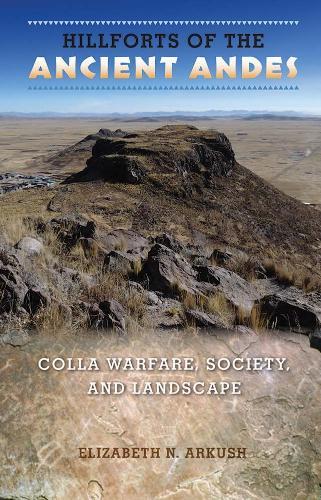
""Using a bold combination of surface survey, excavation, and cutting-edge GIS modeling, Arkush examines the social conditions that existed in the Andes during this period of unprecedented regional conflict and provides critical insights into the culture of war which existed at this time.""--Brian S. Bauer, University of Illinois, Chicago ""Arkush's architectural analysis and study of artifacts is accompanied by a new body of radiocarbon dates that turn traditional documentary interpretations of Colla social organization on their heads. This is an important advance in our understanding of late prehispanic societies in the Andean highlands.""--R. Alan Covey, Southern Methodist University By AD 1000, the Colla controlled the high-altitude plains near Lake Titicaca in southern Peru. They fought over the region for many centuries before becoming a subject people of the Inca (who described them as the most formidible foes they faced) circa 1450, and then of the Spanish in the sixteenth century. Like any people at war, the Colla were not engaged in active conflict all of the time. But frequent warfare (perhaps over limited natural resources), along with drought and environmental changes, powerfully influenced the society's settlement choices and physical defenses, as well as their interaction with the landscape. By focusing on the pre-Inca society in this key region of the Andes, Elizabeth Arkush demonstrates how a thorough archaeological investigation of these hillfort towns reveals new ways to study the sociopolitical organization of pre-Columbian societies. Elizabeth N. Arkush is assistant professor of anthropology at the University of Virginia.
Full Product Details
Author: Elizabeth N. Arkush
Publisher: University Press of Florida
Imprint: University Press of Florida
Dimensions:
Width: 15.70cm
, Height: 2.50cm
, Length: 23.60cm
Weight: 0.582kg
ISBN: 9780813035260
ISBN 10: 0813035260
Pages: 320
Publication Date: 31 January 2011
Audience:
Professional and scholarly
,
Professional & Vocational
Format: Hardback
Publisher's Status: Active
Availability: Manufactured on demand

We will order this item for you from a manufactured on demand supplier.
Reviews
Arkush argues convincingly that conflict developed from a combination of environmental, social, and historical factors that perpetuated a fragmented and violent political landscape. Recommended. CHOICE
""Arkush argues convincingly that conflict developed from a combination of environmental, social, and historical factors that perpetuated a fragmented and violent political landscape. Recommended.""--CHOICE ""Excellent. A great introduction to warfare archaeology, this book also provides a compelling argument for archaeology's ability to interpret political motivations through material remains.""--Journal of Conflict Archaeology ""Meticulously researched, analytically incisive, and so clearly written that it is a pleasure to read.""--H-Net Reviews
Author Information
Elizabeth N. Arkush is associate professor of anthropology at the University of Pittsburgh.