Overview
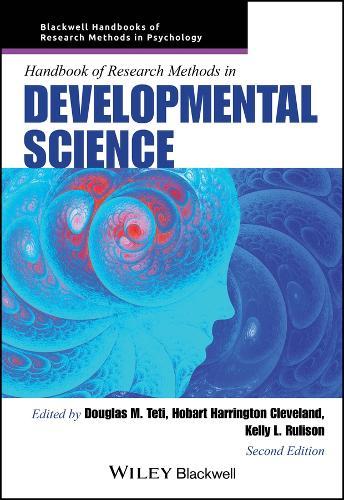
Presents cutting-edge research methods in developmental science The Handbook of Research Methods in Developmental Science delivers a fully revised and expanded exploration of the latest methodologies in human development research. Twenty-four entirely new chapters by renowned experts introduce innovative approaches that reflect the dynamic evolution of developmental science methodologies. Part of the Blackwell Handbooks of Research Methods in Psychology series, this authoritative resource is indispensable for those seeking to apply state-of-the-art methods to the study of human development. The second edition of the Handbook builds upon the strengths of its predecessor while incorporating significant updates to address emerging research challenges. It offers a comprehensive review of traditional and contemporary developmental research designs, including cross-sectional, longitudinal, and quasi-experimental methods, as well as advanced topics such as the Multiphasic Optimization Strategy (MOST) framework, time-varying effect modeling, and integrative data analysis. Additionally, the authors present fresh insights into causal inference, observational methods, and intervention research, providing a more nuanced understanding of how developmental scientists can study change over time. Capturing the latest theoretical and technological advancements in the discipline, the Handbook of Research Methods in Developmental Science: Features a multidisciplinary approach, integrating perspectives from psychology, human development, and family science Addresses challenges in developmental intervention research, including implementation science and adaptive intervention design Offers practical guidance on participant recruitment, panel maintenance, and best practices for obtaining reliable developmental data Includes real-world examples and case studies demonstrating the application of various research methods The Handbook of Research Methods in Developmental Science, Second Edition, is an essential resource for graduate students, researchers, and professionals in developmental science, psychology, and human development. It is particularly relevant for courses in research methods, developmental psychology, and intervention science within psychology, education, and social sciences degree programs.
Full Product Details
Author: Douglas M. Teti (Pennsylvania State University) ,
Hobart Harrington Cleveland (Pennsylvania State University) ,
Kelly L. Rulison (Pennsylvania State University)
Publisher: John Wiley and Sons Ltd
Imprint: Wiley-Blackwell
Edition: 2nd edition
Dimensions:
Width: 17.30cm
, Height: 4.30cm
, Length: 24.40cm
Weight: 1.247kg
ISBN: 9781119880820
ISBN 10: 1119880823
Pages: 688
Publication Date: 26 March 2026
Audience:
Professional and scholarly
,
Professional & Vocational
Format: Paperback
Publisher's Status: Active
Availability: In Print

This item will be ordered in for you from one of our suppliers. Upon receipt, we will promptly dispatch it out to you. For in store availability, please contact us.
Author Information
Douglas M. Teti, PhD, is a Distinguished Professor in the Department of Human Development and Family Science at The Pennsylvania State University. A leading expert in developmental science, his research focuses on family processes, parenting, and infant development. Hobart Harrington Cleveland III, JD, PhD, is a Professor in the Department of Human Development and Family Science at The Pennsylvania State University. His research explores adolescent development, peer relationships, and substance use prevention. Kelly L. Rulison, PhD, is a Senior Research Scientist at Prevention Strategies. A former Associate Professor at The Pennsylvania State University, Dr. Rulison’s work focuses on designing and evaluating developmental interventions to improve social and behavioral outcomes.