|
|
|||
|
||||
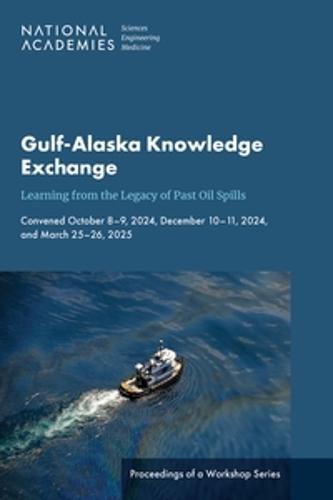
OverviewThe Gulf of Alaska and the Southern Gulf Coast have been the sites of the two worst oil spills in U.S. history, Exxon Valdez (1989) and Deepwater Horizon (2010), respectively. These spills had devastating impacts on the environment, human health, the local economy, the seafood industry, and local communities' way of life. While the incidents differed in many ways, the response and recovery efforts both worked to restore the environment and help communities move on from their losses. To explore best practices and lessons learned from these oil spills, the National Academies of Sciences, Engineering, and Medicine's Gulf Research Program launched a three-part workshop series to bring together people with connections to the Exxon Valdez and Deepwater Horizon oil spills to discuss the challenges, successes, and areas where improvements could be made. The first workshop was held in Anchorage, Alaska in October 2024; the second workshop was held in Thibodaux, Louisiana in December 2024; and the final workshop was held in Washington, D.C. in March of 2025. This publication summarizes the presentations and discussions of the workshops. Full Product DetailsAuthor: National Academies of Sciences, Engineering, and Medicine , Gulf Research Program , Gulf Health and Resilience Board , Gulf Environmental Protection and Stewardship BoardPublisher: National Academies Press Imprint: National Academies Press ISBN: 9780309994408ISBN 10: 0309994403 Pages: 244 Publication Date: 19 December 2025 Audience: Professional and scholarly , Professional & Vocational Format: Paperback Publisher's Status: Active Availability: In Print This item will be ordered in for you from one of our suppliers. Upon receipt, we will promptly dispatch it out to you. For in store availability, please contact us. Table of ContentsReviewsAuthor InformationTab Content 6Author Website:Countries AvailableAll regions |
||||