Overview
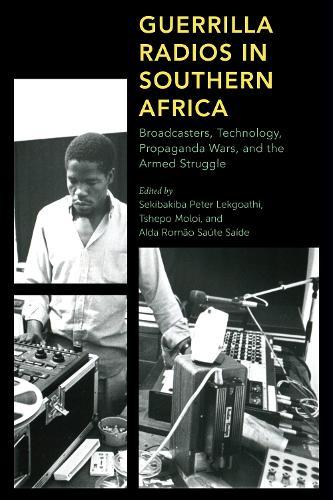
Guerrilla Radios in Southern Africa is a collection of essays on the histories of the different radios of the liberation movements in the region during the era of the armed struggle. From Angola and Mozambique, to Namibia, Zimbabwe and South Africa, the new technology of radio provided the liberation movements in exile with a platform to address their followers at home, to propagate their ideologies and to counter the propaganda of the oppressive white minority regimes. As the cheapest and most direct medium, guerrilla radios transcended the boundaries imposed by the settler regimes and were widely listened to, albeit within the realm of illegality. Transnational in its approach, the book explores the workings of these radios from their areas of broadcast in exile, international solidarity, to reception at home where listeners often huddled around their receivers to listen to the messages from the liberation movements, often beyond the gaze of the state. These radios shaped the nature of resistance campaigns that the liberation movements embarked upon in the various countries in the region.
Full Product Details
Author: Sekibakiba Peter Lekgoathi ,
Tshepo Moloi ,
Alda Romão Saúte Saíde
Publisher: Bloomsbury Publishing PLC
Imprint: Rowman & Littlefield International
Dimensions:
Width: 16.10cm
, Height: 2.70cm
, Length: 22.90cm
Weight: 0.626kg
ISBN: 9781786615602
ISBN 10: 1786615606
Pages: 300
Publication Date: 03 November 2020
Audience:
Professional and scholarly
,
Professional & Vocational
Format: Hardback
Publisher's Status: Active
Availability: Manufactured on demand

We will order this item for you from a manufactured on demand supplier.
Language: Dutch; Flemish
Reviews
"This collection of essays on the use of radio by southern African liberation movements offers new insights into the role of media in their independence struggles. With case studies from the Portuguese colonies of Mozambique and Angola and the white settler regimes of Rhodesia (Zimbabwe), Namibia, and South Africa, it offers a much-needed regional perspective with contributions from scholars of the region. Earlier studies have examined how colonial and settler states employed radio to shape Africans into docile subjects. This volume emphasizes African agency and shows how radio technology was subverted by exiled dissidents. Hampered by low literacy rates, poor roads, and the cost of print materials, they used radio to spread liberation messages, counter government propaganda, and galvanize popular support. Sources include sound recordings, interviews, and archival documents from government, political party, university, and museum collections. Unavoidably, the uneven maintenance and preservation of records have resulted in a volume that is skewed toward the settler states, which were better resourced and more concerned about local security. Liberation movements from these countries were also more successful in accessing outside funds, although they too reduced costs by recording over previous broadcasts. Highly recommended for scholars and academic libraries.-- ""Choice Reviews"""
""This collection of essays on the use of radio by southern African liberation movements offers new insights into the role of media in their independence struggles. With case studies from the Portuguese colonies of Mozambique and Angola and the white settler regimes of Rhodesia (Zimbabwe), Namibia, and South Africa, it offers a much-needed regional perspective with contributions from scholars of the region. Earlier studies have examined how colonial and settler states employed radio to shape Africans into docile subjects. This volume emphasizes African agency and shows how radio technology was subverted by exiled dissidents. Hampered by low literacy rates, poor roads, and the cost of print materials, they used radio to spread liberation messages, counter government propaganda, and galvanize popular support. Sources include sound recordings, interviews, and archival documents from government, political party, university, and museum collections. Unavoidably, the uneven maintenance and preservation of records have resulted in a volume that is skewed toward the settler states, which were better resourced and more concerned about local security. Liberation movements from these countries were also more successful in accessing outside funds, although they too reduced costs by recording over previous broadcasts. Highly recommended for scholars and academic libraries."" --Choice Reviews
This collection of essays on the use of radio by southern African liberation movements offers new insights into the role of media in their independence struggles. With case studies from the Portuguese colonies of Mozambique and Angola and the white settler regimes of Rhodesia (Zimbabwe), Namibia, and South Africa, it offers a much-needed regional perspective with contributions from scholars of the region. Earlier studies have examined how colonial and settler states employed radio to shape Africans into docile subjects. This volume emphasizes African agency and shows how radio technology was subverted by exiled dissidents. Hampered by low literacy rates, poor roads, and the cost of print materials, they used radio to spread liberation messages, counter government propaganda, and galvanize popular support. Sources include sound recordings, interviews, and archival documents from government, political party, university, and museum collections. Unavoidably, the uneven maintenance and preservation of records have resulted in a volume that is skewed toward the settler states, which were better resourced and more concerned about local security. Liberation movements from these countries were also more successful in accessing outside funds, although they too reduced costs by recording over previous broadcasts. Highly recommended for scholars and academic libraries.-- Choice
Author Information
Sekibakiba Peter Lekgoathi is Associate Professor of History at the University of Witwatersrand, South Africa. Tshepo Moloi is Senior Lecturer of History at the University of the Free State, South Africa. Alda Romão Saúte Saíde is Associate Professor at Pedagogic University in Maputo, Mozambique.