|
|
|||
|
||||
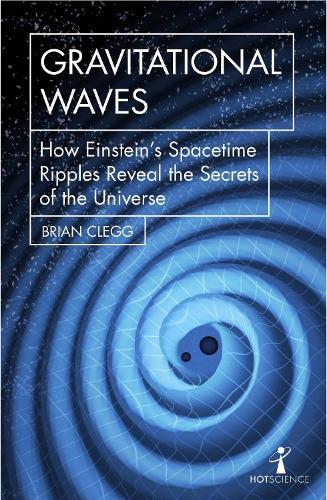
OverviewUntil then, investigation of the universe had depended on electromagnetic radiation: visible light, radio, X-rays and the rest. But gravitational waves - ripples in the fabric of space and time - are unrelenting, passing through barriers that stop light dead. At the two 4-kilometre long LIGO observatories in the US, scientists developed incredibly sensitive detectors, capable of spotting a movement 100 times smaller than the nucleus of an atom. In 2015 they spotted the ripples produced by two black holes spiralling into each other, setting spacetime quivering. This was the first time black holes had ever been directly detected - and it promises far more for the future of astronomy. Brian Clegg presents a compelling story of human technical endeavour and a new, powerful path to understand the workings of the universe. Full Product DetailsAuthor: Brian CleggPublisher: Icon Books Imprint: Icon Books Dimensions: Width: 12.90cm , Height: 1.30cm , Length: 19.80cm Weight: 0.157kg ISBN: 9781785783203ISBN 10: 1785783203 Pages: 176 Publication Date: 08 February 2018 Audience: General/trade , General Format: Paperback Publisher's Status: Active Availability: In Print This item will be ordered in for you from one of our suppliers. Upon receipt, we will promptly dispatch it out to you. For in store availability, please contact us. Table of ContentsReviewsAuthor InformationBrian Clegg's most recent books are The Reality Frame (Icon, 2017), What Colour is the Sun? (Icon, 2016) and Ten Billion Tomorrows (St Martin's Press, 2016). His Dice World and A Brief History of Infinity were both longlisted for the Royal Society Prize for Science Books. He has also written Big Data for the Hot Science series. Brian has written for numerous publications including The Wall Street Journal, Nature, BBC Focus, Physics World, The Times and The Observer. Brian is editor of popularscience.co.uk and blogs at brianclegg.blogspot.com. Tab Content 6Author Website:Countries AvailableAll regions |
||||