|
|
|||
|
||||
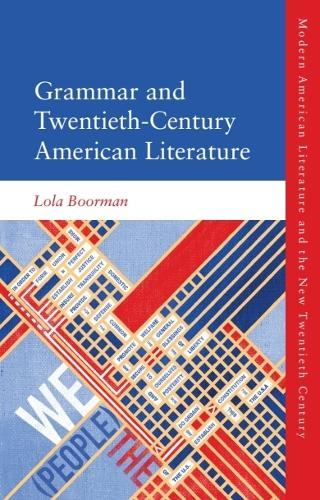
OverviewTaking Gertrude Stein, Zora Neale Hurston, Lydia Davis and David Foster Wallace as key case studies, Lola Boorman makes a series of compelling links between how American authors and intellectuals learned grammar through various, diverse institutional settings and how they use it in their work to directly address structures of power, authority, democracy, gender, race and class. Drawing on the shifting discourses and definitions of grammar in academic disciplines, literary and intellectual movements and para-literary networks including linguistics, anthropology, language philosophy, self-help grammar books and school pedagogy the book charts the invisible yet ubiquitous role that grammar has played in literature and literary criticism, and its embeddedness in systems of social and political power and conceptions of national identity. Full Product DetailsAuthor: Lola Boorman (Lecturer in American Literature and Culture, University of York)Publisher: Edinburgh University Press Imprint: Edinburgh University Press ISBN: 9781399547543ISBN 10: 1399547542 Pages: 288 Publication Date: 30 November 2025 Audience: College/higher education , Postgraduate, Research & Scholarly Format: Hardback Publisher's Status: Active Availability: Not yet available This item is yet to be released. You can pre-order this item and we will dispatch it to you upon its release. Language: English Table of ContentsReviewsAs literary critics, we are in the grip of at-least two major crises: ‘Democracy’ and ‘Close Reading’. But how can supporting one help redeem the other? Bringing them together through a radical reading of the concept of American ‘grammar’, Boorman takes on the imperative task of imagining futures for both. -- Michael Collins, King's College London Author InformationLola Boorman in a Lecturer in American Literature and Culture at the University of York Tab Content 6Author Website:Countries AvailableAll regions |
||||