|
|
|||
|
||||
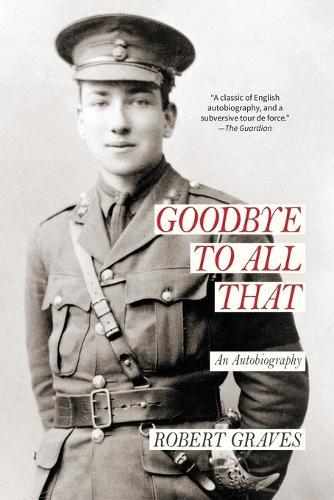
OverviewFirst published in 1929, Goodbye to All That is Robert Graves's indelible reckoning with the First World War and its ruinous effects on a generation of young men. Written with stark candor and disquieting irony, this modern memoir captures the disillusionment of a soldier-poet who entered the trenches of the Western Front as an idealist and emerged scarred in both body and spirit. Graves records with unsparing detail the obscene conditions of trench life with its mud, rot, and relentless shellfire, and the moral fracture that made postwar England feel unrecognizable to those who survived. At once a personal confession and a cultural farewell, Goodbye to All That charts the unmaking of old loyalties of class, patriotism, religion and the birth of the literary modernism that would define the century. Graves's prose moves between brutality and wit, intimacy and detachment, giving voice to the psychological shock that haunted a generation and reshaped the moral landscape of the modern world. This Warbler Classics edition reproduces the original 1929 text and includes an extensive biographical timeline. Full Product DetailsAuthor: Robert GravesPublisher: Warbler Classics Imprint: Warbler Classics Dimensions: Width: 15.20cm , Height: 1.80cm , Length: 22.90cm Weight: 0.413kg ISBN: 9798902670049Pages: 306 Publication Date: 01 January 2026 Audience: General/trade , General Format: Paperback Publisher's Status: Active Availability: Available To Order We have confirmation that this item is in stock with the supplier. It will be ordered in for you and dispatched immediately. Table of ContentsReviews""A classic of English autobiography, and a subversive tour de force."" -The Guardian Author InformationRobert Graves (1895-1985) was an English poet, novelist, and scholar best known for his historical novels I, Claudius and Claudius the God, as well as for The White Goddess, his study of myth and poetic inspiration. Born in Wimbledon and educated at Charterhouse and St. John's College, Oxford, he served with distinction in the Royal Welch Fusiliers during the First World War, where he was severely wounded at the Somme. His wartime experience became the crucible of his poetry and his prose, shaping a lifelong distrust of authority and a fascination with the interplay of memory, myth, and truth. Graves spent much of his later life in Majorca, cultivating a prolific career that bridged classical scholarship and modernist innovation. Tab Content 6Author Website:Countries AvailableAll regions |
||||