Overview
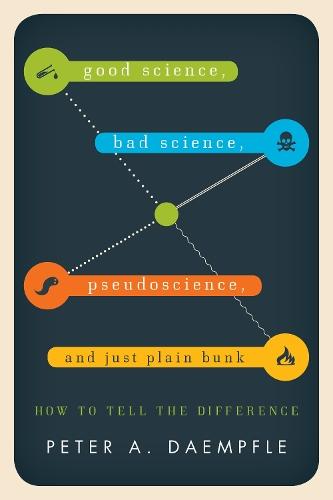
We are constantly bombarded with breaking scientific news in the media, but we are almost never provided with enough information to assess the truth of these claims. Does drinking coffee really cause cancer? Does bisphenol-A in our tin can linings really cause reproductive damage? Good Science, Bad Science, Pseudoscience, and Just Plain Bunk teaches readers how to think like a scientist to question claims like these more critically. Peter A. Daempfle introduces readers to the basics of scientific inquiry, defining what science is and how it can be misused. Through provocative real-world examples, the book helps readers acquire the tools needed to distinguish scientific truth from myth. The book celebrates science and its role in society while building scientific literacy.
Full Product Details
Author: Peter A. Daempfle
Publisher: Bloomsbury Publishing Plc
Imprint: Rowman & Littlefield
Dimensions:
Width: 15.40cm
, Height: 2.50cm
, Length: 23.50cm
Weight: 0.540kg
ISBN: 9781442217263
ISBN 10: 144221726
Pages: 280
Publication Date: 19 December 2012
Audience:
General/trade
,
General
Format: Hardback
Publisher's Status: Active
Availability: Manufactured on demand

We will order this item for you from a manufactured on demand supplier.
Reviews
Good Science, Bad Science, Pseudoscience, and Just Plain Bunk: How to Tell the Difference addresses the nature of the sciences within a multidisciplinary context through the use of intriguing examples and a provocative writing style that urges the reader into deeper inquiry--the essence of science itself. -- Marlene M. Hurley I find this book to be fascinating, provocative, and stimulating at the same time. Not just a must read for everyone in the field of science and science education, but an excellent resource for cultivating and promoting science literacy for everyone. -- Julita Lambating Daempfle sets out to do something very important -- to make scientific thinking more accessible to a broader segment of the future workforce. This is good for the student/future worker and good for society. -- Tom Hopcroft, president & CEO, Mass Technology Leadership Council, Inc
Good Science, Bad Science, Pseudoscience, and Just Plain Bunk: How to Tell the Difference addresses the nature of the sciences within a multidisciplinary context through the use of intriguing examples and a provocative writing style that urges the reader into deeper inquiry-the essence of science itself. -- Marlene M. Hurley, State University of New York I find this book to be fascinating, provocative, and stimulating at the same time. Not just a must read for everyone in the field of science and science education, but an excellent resource for cultivating and promoting science literacy for everyone. -- Julita Lambating, California State University, Sacramento Daempfle sets out to do something very important - to make scientific thinking more accessible to a broader segment of the future workforce. This is good for the student/future worker and good for society. -- Tom Hopcroft, president & CEO, Mass Technology Leadership Council, Inc Getting new and non-scientists engaged in science. This book is an excellent example of what science books should bring to the conversation-how to think like a scientist and why it is important for every one of us to do so. Daempfle allows the reader to look behind the curtain and see science as a whole rather than an isolated field. This book is enjoyable especially as science myths are debunked--right up there with Mythbusters for educators! -- Jennifer A. Richardson, Purdue University
Author Information
Peter A. Daempfle is associate professor of biology at SUNY College of Technology at Delhi. He has taught in the sciences for more than 20 years and has served as an advisor in the standards-based reform effort, working to improve national science literacy and to advance the importance of scientific thinking.