Overview
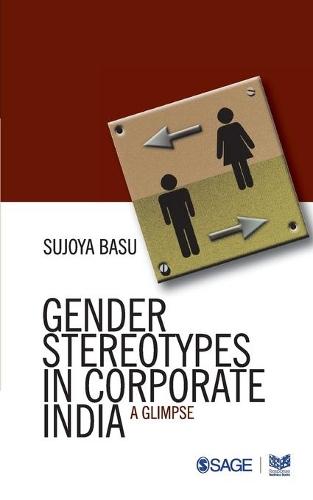
A stereotype is a conceptual image that may lead to a simplified view of a person or a thing. Inaccurate stereotypes serve to constrict and limit vision and perception. Gender Stereotypes in Corporate India: A Glimpse explores the theme of ′understated′ gender stereotypes in the corporate domain in India, while delving into the antecedents and outcomes. Studies suggest that only an insignificant percentage of women managers ever reach the higher echelons of management in most organizations-a phenomenon which can be attributed to the glass ceiling, and the differential treatment meted out to women managers in terms of career mobility, recruitment, evaluation, compensation and other factors. Studies also suggest that gender stereotypes contribute largely to such phenomena. Through three broad studies, the book, a first of its kind, explores existing managerial gender stereotypes in Indian corporates, the antecedents of such stereotypes and the possibility of reducing such stereotypical inaccuracies. The book argues that a basic transformation at the level of policy making, along with a collective will for changing the mindset of the people, is needed to overcome gender differences in organizations as well as educational institutions. This book will interest a wide readership including women professionals, students and trainers in corporate training schools and business schools, sociologists, and organizational psychologists.
Full Product Details
Author: Sujoya Basu
Publisher: SAGE Publications India Pvt Ltd
Imprint: SAGE Publications India Pvt Ltd
Dimensions:
Width: 13.90cm
, Height: 1.50cm
, Length: 21.50cm
Weight: 0.230kg
ISBN: 9788178298511
ISBN 10: 8178298511
Pages: 240
Publication Date: 19 September 2008
Audience:
Professional and scholarly
,
Professional and scholarly
,
Professional & Vocational
,
Professional & Vocational
Format: Paperback
Publisher's Status: Active
Availability: Awaiting stock

The supplier is currently out of stock of this item. It will be ordered for you and placed on backorder. Once it does come back in stock, we will ship it out for you.
Reviews
The effort is laudatory. This has never been attempted in India and Basu should get due credit for her effort in clearing out the cobwebs regarding gender stereotypes in Indian corporations. This book bridges the gap that exists in the Indian gender management scenario. This book will help corporates manage their human resources in a dignified and humane manner, giving equal respect to both genders. -- Business India The book is well written. The literature survey done includes a wide variety of work done in the west in management circles...The literature is drawn primarily from studies done in social psychology. The variables taken for the three experiments are quiet inclusive. The methods used are also time-tested. These are the latest used in contemporary academia. It shows the knowledge of the author and in-depth painstaking study that she has conducted for the sake of her present work. -- Management Compass This book has made a fair start on looking at the root causes of gender stereotyping in India. It is important to discuss and debate on these issues and look for possible solutions...this book will be instrumental for research to be done in this area. -- IIMB Management Review Gender Stereotypes in Corporate India: A Glimpse explores the theme of 'understated' gender stereotypes in the corporate domain in India, while delving into the antecedents and outcomes. The book argues that a transformation at the level of policy making, along with a collective will for changing mindsets, is needed to overcome gender differences in organisations. -- The Financial Express
Gender Stereotypes in Corporate India: A Glimpse explores the theme of `understated` gender stereotypes in the corporate domain in India, while delving into the antecedents and outcomes. The book argues that a transformation at the level of policy making, along with a collective will for changing mindsets, is needed to overcome gender differences in organisations. -- The Financial Express This book has made a fair start on looking at the root causes of gender stereotyping in India. It is important to discuss and debate on these issues and look for possible solutions...this book will be instrumental for research to be done in this area. -- IIMB Management Review The book is well written. The literature survey done includes a wide variety of work done in the west in management circles...The literature is drawn primarily from studies done in social psychology. The variables taken for the three experiments are quiet inclusive. The methods used are also time-tested. These are the latest used in contemporary academia. It shows the knowledge of the author and in-depth painstaking study that she has conducted for the sake of her present work. -- Management Compass The effort is laudatory. This has never been attempted in India and Basu should get due credit for her effort in clearing out the cobwebs regarding gender stereotypes in Indian corporations. This book bridges the gap that exists in the Indian gender management scenario. This book will help corporates manage their human resources in a dignified and humane manner, giving equal respect to both genders. -- Business India
The effort is laudatory. This has never been attempted in India and Basu should get due credit for her effort in clearing out the cobwebs regarding gender stereotypes in Indian corporations. This book bridges the gap that exists in the Indian gender management scenario. This book will help corporates manage their human resources in a dignified and humane manner, giving equal respect to both genders. -- Business India The book is well written. The literature survey done includes a wide variety of work done in the west in management circles…The literature is drawn primarily from studies done in social psychology. The variables taken for the three experiments are quiet inclusive. The methods used are also time-tested. These are the latest used in contemporary academia. It shows the knowledge of the author and in-depth painstaking study that she has conducted for the sake of her present work. -- Management Compass This book has made a fair start on looking at the root causes of gender stereotyping in India. It is important to discuss and debate on these issues and look for possible solutions…this book will be instrumental for research to be done in this area. -- IIMB Management Review Gender Stereotypes in Corporate India: A Glimpse explores the theme of `understated` gender stereotypes in the corporate domain in India, while delving into the antecedents and outcomes. The book argues that a transformation at the level of policy making, along with a collective will for changing mindsets, is needed to overcome gender differences in organisations. -- The Financial Express
Author Information
Sujoya Basu is an Assistant Professor in the Behavioural Sciences Area at the Indian Institute of Management Calcutta (IIMC). She graduated as an engineer from Jadavpur University, Kolkata, in 1995. After working in Kolkata for three years, she completed her PhD in management, specializing in Organization Behaviour from the Indian Institute of Management Ahmedabad (IIMA) in 2003. She worked as an organization redesign consultant for CSIR (IGIB) for about a year and joined IIMC in 2004. Her research interests include gender stereotypes, virtual trust and cross-cultural management issues. She has several papers published in the proceedings of national and international conferences to her credit.