Overview
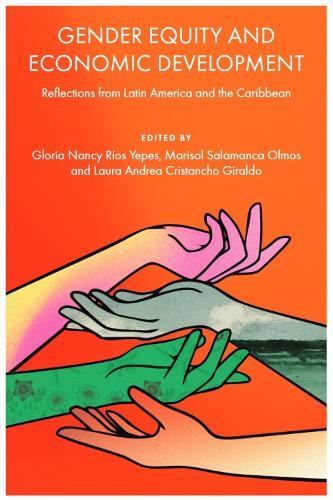
Achieving gender equity in Latin America and the Caribbean brings significant societal and economic benefits, including reduced social disparities, better access to education, higher incomes, and greater participation in the workforce. Collaboration between academia, business, and government is essential in driving these outcomes, creating more inclusive and productive economies. Gender Equity and Economic Development highlights how aligning policy, practice, and strategy can foster equitable growth across the region. This comprehensive volume is structured around three key lines of inquiry. The first section investigates the progress of public policies in promoting gender equity, offering perspectives on gender equity practices, female entrepreneurship in Colombia, and the broader implications of intersectionality. The second section delves into gender equity across different socioeconomic sectors, focusing on issues like the gender gap in social and financial security, the balance between reproductive and remunerated work, and a decade of labor market analysis for women in Colombia. The final section examines gender equity as a strategic component within productive organizations, exploring how businesses integrate gender equity into their strategies and the specific experiences of industries like tourism in the region. Highlighting the impact of gender-focused public policies, strategies, and organizational practices, this work invites readers to reflect on the transformative potential of gender equity for a more inclusive and prosperous society. Bringing together insights from experienced researchers and multidisciplinary perspectives, this collected edition is essential for academics, policymakers, business leaders, and anyone committed to understanding the vital role of gender equity in economic development.
Full Product Details
Author: Gloria Nancy Ríos Yepes (Politécnico Grancolombiano, Colombia) ,
Marisol Salamanca Olmos (Politécnico Grancolombiano, Colombia) ,
Laura Cristancho Giraldo (Politécnico Grancolombiano, Colombia)
Publisher: Emerald Publishing Limited
Imprint: Emerald Publishing Limited
Dimensions:
Width: 15.20cm
, Height: 1.40cm
, Length: 22.90cm
Weight: 0.351kg
ISBN: 9781837082032
ISBN 10: 1837082030
Pages: 184
Publication Date: 24 September 2025
Audience:
Professional and scholarly
,
Professional & Vocational
Format: Hardback
Publisher's Status: Active
Availability: In Print

This item will be ordered in for you from one of our suppliers. Upon receipt, we will promptly dispatch it out to you. For in store availability, please contact us.
Author Information
Gloria Nancy Ríos Yepes, Marisol Salamanca Olmos and Laura Cristancho Giraldo are Economists and Professors of Economics at the Faculty of Business, Management and Sustainability, Politécnico Grancolombiano, Colombia.