|
|
|||
|
||||
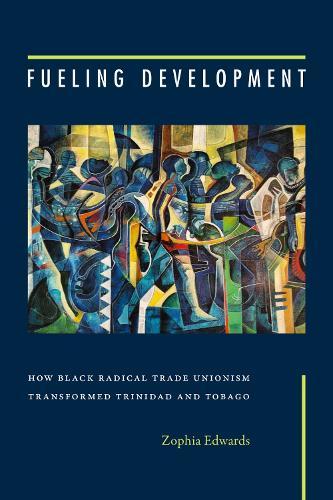
OverviewDespite Trinidad and Tobago’s economic dependence on oil and gas production and its history of colonial exploitation of labor and resources, it enjoys relatively high democratic and redistributive development compared to other nations in the global South. In Fueling Development, Zophia Edwards draws on archival data, historical analysis, and Black radical political economic thought to trace Trinidad and Tobago’s success to a specific form of working-class mobilization she calls “liberation unionism.” A Black radical labor tradition, liberation unionism was multiracial, multisectoral, and gender inclusive; Pan-African, anti-imperial, anticolonial, and diasporic; and it advocated not only for workplace issues, but for economic, political, and social transformation. Emerging during the colonial period, liberation unionism forced the colonial state to increase its institutional capacity to promote equitable development. The movement persisted into the post-independence period and further compelled the independent state to channel oil windfalls toward increasing its ability to better serve the needs of the people. By uncovering liberation unionism’s power to create robust social and economic change, Edwards expands understandings of the relationship between development, race, labor, and political economy. Full Product DetailsAuthor: Zophia EdwardsPublisher: Duke University Press Imprint: Duke University Press Weight: 0.572kg ISBN: 9781478029052ISBN 10: 1478029056 Pages: 336 Publication Date: 19 September 2025 Audience: Professional and scholarly , Professional & Vocational Format: Hardback Publisher's Status: Active Availability: Out of stock The supplier is temporarily out of stock of this item. It will be ordered for you on backorder and shipped when it becomes available. Table of ContentsReviews""Fueling Development is a timely and important contribution to both Black and Caribbean scholarship. Combining rigorous scholarship and the innovative methodologies of the Black Radical Tradition, Zophia Edwards asks searing questions that offer important insights concerning Trinidad and Tobago's political economy and the relationship between race and class in Caribbean postcolonies.""--Brian Meeks, author of After the Postcolonial Caribbean: Memory, Imagination, Hope Author InformationZophia Edwards is Assistant Professor of Sociology at Johns Hopkins University and author of Race, Capitalism, and the COVID-19 Pandemic. Tab Content 6Author Website:Countries AvailableAll regions |
||||